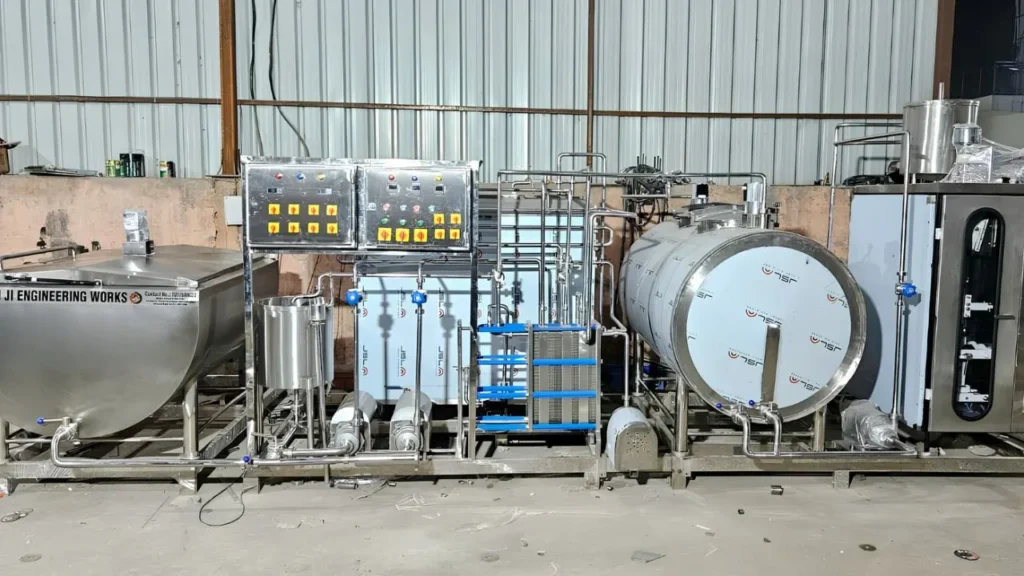
Milk Plant Manufacturer

arsadmin

Difference between Milk Pasteurization and Milk Homogenization

milk pasteurization

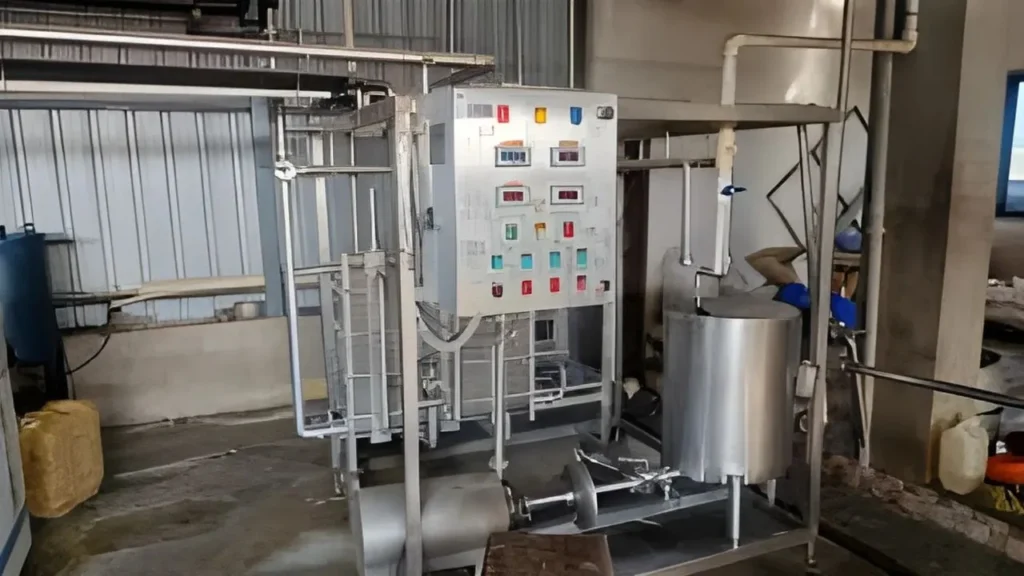
Milk is one of the most essential and widely consumed food products in the world. The most crucial processes in dairy technology are pasteurization and homogenization. One trusted name is Pranam Ji Engineering Works, we offer complete dairy processing equipment that ensures milk is processed efficiently, safely, and with the highest quality standards. The purpose of Pasteurization ensures milk safety by killing harmful microbes while Homogenization ensures milk quality by preventing cream separation. Understanding the difference between milk pasteurization and milk homogenization is essential for both consumers and dairy businesses. What is Milk Pasteurization? Milk pasteurization is a process of heating raw milk to a specific temperature for a specific period of time and then cooling it. The main purpose of this process is to kill harmful microorganisms like bacteria, viruses, and pathogens that may be present in raw milk. The exact temperature (degrees) and time are important in pasteurization. If milk is not heated to the correct degree, harmful bacteria may survive, making it unsafe. At 63°C, pathogens die when milk is held for 30 minutes and At 72°C, pathogens die in just 15 seconds. Benefits of Pasteurization: Safety First: Remove harmful germs like Salmonella, E. coli, and Listeria that can cause serious illness. Heat Treatment: Common pasteurization methods include High-Temperature Short Time (HTST) and Ultra-High Temperature (UHT). Shelf Life: Extends the shelf life of milk without changing its basic nutritional value. Retention of Nutrients: Maintains most vitamins, proteins, and minerals, ensuring milk remains healthy for consumption. Read More: What is Pasteurization of Milk ? What is Milk Homogenization? Milk homogenization breaks down fat globules in milk into smaller, uniform sizes so they stay evenly distributed. Without homogenization, cream naturally rises to the top of milk after some time. Homogenization prevents this separation, giving milk its smooth, consistent texture. We designed to improve the texture, taste, and consistency of milk. It is done by applying high pressure to milk warmed to about 55°C to 70°C, breaking fat globules into smaller particles that remain evenly dispersed. Benefits of Homogenization: Mechanical Process: Milk is forced through small openings at high pressure, breaking down fat molecules. Uniform Consistency: Prevents cream from separating, giving milk a creamy, smooth texture. Improved Taste and Quality: Makes milk more tasty and better suited for dairy products like cheese, butter, and yogurt. Long-Term Stability: Increases milk’s shelf stability when combined with pasteurization. Differences Between Milk Pasteurization and Milk Homogenization The purpose of Milk Pasteurization ensures milk safety by killing harmful microbes While Homogenization ensures milk quality by preventing cream separation. The process of Milk Pasteurization involves heating and cooling While Milk Homogenization involves mechanical force and pressure. Impact on Nutrients of Milk Pasteurization may slightly affect some heat-sensitive vitamins but keeps milk safe While Homogenization does not affect the nutritional value; it only changes texture. The Consumer Benefit of Milk Pasteurization protects health While Homogenization enhances taste and appearance. Usually, milk is first pasteurized and then homogenized for the best results. For dairy producers, Pranam Ji not only offers advanced equipment for these processes but also ensures reliability, efficiency, and long-term support. In essence, Milk pasteurization and Milk homogenization are two sides of the same coin working together to make every glass of milk safe, nutritious, and enjoyable. The processes complement each other. Pasteurization protects health, while homogenization enhances taste and appearance.  

Difference between Milk Pasteurization and Milk Homogenization Read More »

Complete Guide to Dairy Milk Chiller Plants and How They Work ?

milk chiller Plants

Pranam Ji Engineering Works is a trusted name in providing reliable and efficient milk chilling solutions for both farmers and dairies. Milk chiller plants and bulk milk coolers play an essential role in quality milk reaching every consumer. We built it with stainless steel and high-grade components for durability. What Is a Dairy Milk Chiller Plant? A milk chiller is a specialized cooling system designed to rapidly reduce the temperature of fresh milk after collection. In most cases, milk is cooled from around 35–37°C to 4°C within a short time. This quick chilling slows down bacterial growth and preserves the natural taste and quality of the milk. Features of a Milk Chiller Plant Rapid Cooling Efficiency: The plant quickly cools fresh milk from its natural temperature (around 35–37°C) to 4°C, which helps in maintaining freshness and preventing bacterial growth. Stainless Steel Construction: Made with food-grade stainless steel, ensuring hygiene, easy cleaning, and long durability. We maintain contamination and maintain the natural taste of milk. Agitator for Uniform Cooling: An inbuilt agitator mix the milk continuously to maintain uniform temperature and prevent cream separation. Energy-Efficient Design: Modern milk chiller plants are designed with energy-saving compressors and insulation to reduce power consumption while providing effective cooling. How Do Dairy Milk Chiller Plants Work? Fresh milk is collected from farmers or directly from cows at the dairy farm. This milk is usually hot and must be cooled quickly to maintain quality. Before entering the chiller, the milk is passed through filters to remove impurities such as dust, dirt, or other small particles. The milk enters the bulk milk cooler and comes into touch with cooling plates or surfaces. We ensure even cooling and prevent cream separation, the milk is continuously mixed by an inbuilt rebel. We maintain a uniform temperature throughout the tank. Once cooled, the milk is stored inside the bulk milk cooler until it is transported for further processing. Also Read: Top Dairy Equipment Manufacturers in India Applications of  Milk Chiller Systems Milk chillers are used in a wide range of applications, such as: Dairy Farms – Cooling fresh milk immediately after milking. Village Collection Centers – Collecting milk from various farmers and chilling it before transport. Dairy Cooperatives – Maintaining quality while handling large quantities. Milk Processing Plants – Storing milk until it is pasteurized or processed into dairy products. Export Units – We ensure world wide quality standards are met. A dairy milk chiller plant plays a vital role in maintaining the freshness, taste, and quality of milk by cooling it and preventing bacterial growth. From small-scale farmers to large dairy cooperatives, investing in a reliable milk chiller system. We ensure longer shelf life, reduced wastage, and higher returns. At Pranam Ji, we not only offer advanced milk chiller and bulk milk cooler solutions but also deliver trust, durability, and innovation with every system. With our expertise and commitment, we help dairy businesses maintain the highest standards of hygiene and efficiency.  

Complete Guide to Dairy Milk Chiller Plants and How They Work ? Read More »

Dairy Equipment Manufacturers in India

dairy equipment manufacturers

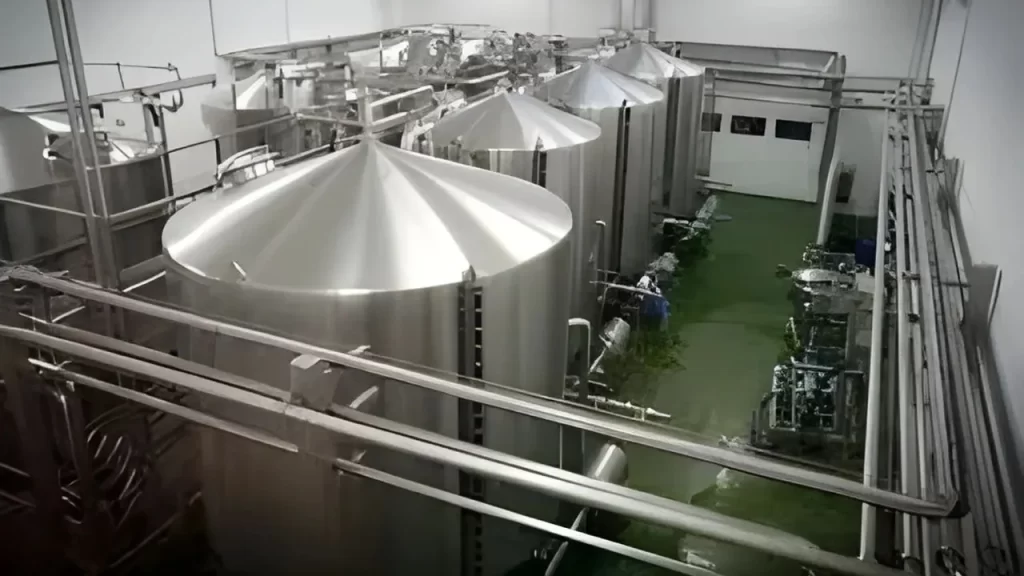
Dairy Equipment Manufacturers in India India is one of the largest milk producers in the world, and the demand for modern dairy machinery continues to grow rapidly as more entrepreneurs and industries enter the dairy sector. Pranam Ji Engineering Works is a trusted name among the leading Dairy Equipment Manufacturers in India. Our company continues to offer advanced, reliable, and user-friendly equipment for both small and large-scale dairy units. Our company understands that every Dairy processing plant needs equipment that can handle increased production, maintain hygiene standards, reduce manual work, and ensure consistent product quality. What is Dairy Equipment? Dairy equipment refers to the machines, tools, and systems used in the collection, processing, storage, packaging, and distribution of milk and milk-based products like butter, cheese, paneer, curd, and ghee. The machines ensure that milk is handled in a hygienic, safe, and efficient way whether at a small village-level dairy or a large industrial processing plant. The Growing Importance of Dairy Equipment in India As demand for milk and milk-based products rises across the country, the role of modern dairy equipment has become more crucial than ever. A well-equipped milk processing plant ensures smooth handling, storage, pasteurization, homogenization, and packaging of milk and dairy products. Whether it is ghee, paneer, cheese, curd, flavored milk, or butter, high-quality equipment ensures that the final product meets industry standards. Range of Dairy Equipment Offered Milk Processing Equipment: From milk pasteurizers to homogenizers, our machines ensure that the milk is processed in a hygienic, safe, and efficient way. Bulk Milk Coolers (BMC): Our Bulk Milk Coolers are designed to keep milk at the right temperature, ensuring high-quality output for longer durations.  Paneer and Cheese Making Machine: With our specialized machines, we make the process easier, faster, and more hygienic, helping businesses scale production smoothly.  Mini Dairy Plants: For small and medium-scale entrepreneurs, we provide complete mini dairy plants that are compact, efficient, and affordable. These are perfect for local milk producers who want to expand their offerings.  Dairy Processing Plants: For large-scale industries, we deliver complete dairy processing plant solutions, including pasteurization, packaging, and automated systems to handle large volumes with efficiency. Partnering with reliable dairy equipment manufacturers ensures long-term benefits for dairy farms and processing plants. What Makes Pranam Ji Engineering Works a Trusted Dairy Equipment Manufacturer? High-Quality and Durable Machinery: Pranam Ji Engineering Works uses premium-grade materials and advanced techniques to manufacture dairy machinery designed to last. Every machine undergoes strict quality checks before reaching the customer. Hygienic and Easy-to-Clean Designs: The equipment manufactured by Pranam Ji Engineering Works is designed with smooth surfaces, stainless steel components, and minimal corners that prevent bacterial growth. This makes cleaning effortless and ensures compliance with food safety standards. Customized Equipment Solutions: Every milk processing plant has different capacity requirements and workflow methods. Understanding this, Pranam Ji Engineering Works offer customized solutions tailored to the needs of small dairy farms, mid-sized units, and large-scale processing plants. From small silos to large pasteurizers, everything can be customized to match your production goals. Affordable and Efficient Solutions: Our company believes that advanced dairy technology should be accessible to everyone. Our equipment is competitively priced, making it easier for new entrepreneurs to start their dairy journey without massive upfront costs. Professional Support and Service: Pranam Ji Engineering Works doesn’t just stop after delivering the equipment. We provide complete technical support, installation assistance, and training to ensure that operators can use the machines efficiently. When it comes to reliable and high-quality Dairy Equipment Manufacturers in India, Pranam Ji Engineering Works continues to include robust machinery, humanized service approach, and commitment to excellence. Whether you are establishing a new milk processing plant or upgrading an existing Dairy processing plant, our company is ready to offer top-notch solutions that enhance productivity, hygiene, and overall performance.

Dairy Equipment Manufacturers in India Read More »

What is Milk Plant Process?

One of the trusted names in this industry is Pranam Ji, a milk plant process known for its advanced dairy plant solutions. Milk is one of the most essential food products, which is consumed daily by people. Whether it’s a mini dairy plant, a milk processing plant, or a large dairy processing plant, we deliver safe and high-quality milk products. what is Milk Plant? A milk plant is a facility where raw milk collected from dairy farms is processed, treated, and packaged to make it safe for consumption or to convert it into various dairy products. The main purpose of a milk plant is to maintain the quality, freshness, and nutritional value of milk and it  ensuring it meets strict hygiene and safety standards. Whether in a mini dairy plant, milk processing plant, or a large dairy processing plant, the process ensures that milk keeps its nutritional value while meeting hygiene and safety standards.   Steps in the Milk Plant Process: Milk Collection and Transportation: Fresh milk is collected from dairy farms and transported in insulated tankers to maintain low temperatures and prevent spoilage. Quality Testing: Upon arrival at the plant, milk undergoes strict testing to check fat content, acidity, and the absence of impurities or adulteration. Clarification and Standardization: Milk is clarified to remove dirt or sediments, then standardized to maintain consistent fat and solid levels. Pasteurization: The milk is heated to a specific temperature and rapidly cooled to kill harmful bacteria without affecting nutritional quality. Chilling and Storage: Processed milk is chilled and stored in stainless-steel tanks under controlled conditions until packaging. Packaging and Distribution: Milk is packed in bottles, pouches, or cartons using automated machines to ensure hygiene and longer life before being sent to markets or institutional buyers. Also Read: What is Pasteurization of Milk ? Types of Milk Plant Mini Dairy Plant: Suitable for small-scale businesses or local cooperatives to process 500–2000 liters of milk per day. Milk Processing Plant: Medium to large-scale facilities capable of handling thousands of liters daily, often producing both packaged milk and products like curd, paneer, or butter. Dairy Processing Plant: A complete setup that processes milk and manufactures multiple value-added dairy products on an industrial areas. Pranam Ji design and install all three types of plants, ensuring reliable equipment, efficient operations, and compliance with food safety standards. We specialize in setting up all types of milk plants process provide advanced machinery, easy-to-operate systems, and complete solutions tailored to small or large businesses.    

What is Milk Plant Process? Read More »

What is Pasteurization of Milk ?

Pasteurization of Milk

Milk is one of the most widely consumed and nutritious beverages in the world. However, raw milk can harbor harmful bacteria and pathogens that pose a risk to human health. To ensure safety and extend shelf life, the pasteurization of milk is a crucial process in the dairy industry. Pranam ji Engineering Works is a leading name of milk pasteurization plant , we offer advanced milk pasteurization equipment, helping dairy businesses produce safe, high-quality pasteurized milk for consumers. Pasteurized Milk Meaning The term pasteurized milk refers to milk that has undergone a heat treatment process called pasteurization. The main purpose of this process is to destroy pathogenic bacteria and reduce spoilage-causing microorganisms without affecting the taste, nutritional value, or quality of milk. Milk pasteurization helps in: Increasing the shelf life of milk Ensuring consumer safety by eliminating harmful pathogens like Salmonella, E. coli, and Listeria Maintaining the natural flavor and nutritional content of milk What is Milk Pasteurization? A Milk Pasteurization is the process of heating milk to a specific temperature for a period of time, and then cooling it down rapidly. This controlled heat treatment destroys harmful diseases like Salmonella, E. coli, and Listeria and other diseases , causing serious illness. There are different methods of pasteurization of milk, each with its own pasteurization temperature and time frame. The use of accurate pasteurization temperatures ensures that milk remains nutritious without posing health risks to consumers. Also Read: How to Start Manufacturing Business of Milk Powder? Pasteurization Temperature Pasteurization temperature refers to the specific heat level at which milk is treated to eliminate harmful bacteria like Salmonella, E. coli, and Listeria. The milk is held at this temperature for a duration and then rapidly cooled to prevent bacterial growth. Pasteurization Temperature: What You Want to Know Low-Temperature, Long-Time (LTLT) Temperature: 63°C (145°F) Time: 30 minutes LTLT is the traditional method of pasteurization temperatures, used in smaller dairy plants. It helps preserve more of the milk flavor. LTLT pasteurization is gentle and reliable. It takes more time compared to high temperatures. High-Temperature, Short-Time (HTST) Temperature: 72°C (161°F) Time: 15 seconds HTST is the widely used method for pasteurizing milk temperature at a business scale. It takes a good balance between safety and efficiency. The short exposure to heat kills harmful bacteria while keeping the milk fresh-tasting. Ultra-High Temperature (UHT) Temperature: 135°C (275°F) Time: 2–5 seconds Milk Pasteurized Temperature At Pranam Ji, we specialize in providing cutting-edge dairy tools and milk processing solutions that precisely control milk pasteurization temperature. Our systems are designed for consistency, safety, and quality. This method gives milk a much longer shelf life up to 6 months without refrigeration. UHT milk is commonly used in India with limited access to refrigeration or where distribution distances are long. These methods use a specific milk pasteurized temperature to achieve the same goal: safe, high-quality milk that retains most of its beneficial properties. Why Pasteurization of Milk Is Important Pasteurization isn’t just a regulatory requirement — it’s a public health necessity. Kills Harmful Microorganisms: Raw milk carries bacteria that cause tuberculosis, typhoid fever, and other diseases. Pasteurization removes over 99.9% of these diseases. Improves Shelf Life: By killing spoilage-causing microbes, pasteurized milk lasts longer when stored properly. Ensures Safety in Supply Chains: In large-scale distribution systems, milk often travels long distances. Pasteurization ensures it remains safe from farm to fridge. Protects Vulnerable Groups: Infants, Peoples with reduced immune systems are especially unsafe to food poisoning. Pasteurized milk reduces their risk significantly. Pranam ji Engineering Works is a leading milk pasteurization machine manufacturer. The pasteurization of milk is one of the most important food safety practices in India. It ensures that the milk we drink every day is safe, healthy, and fresh.  By heating milk to a specific milk pasteurized temperature, harmful bacteria are destroyed without compromising on taste or nutrition. It is the traditional LTLT method or the highly efficient HTST system, the core goal remains the same to keep milk safe, fresh, and healthy for consumption.  

What is Pasteurization of Milk ? Read More »

How to Start Manufacturing Business of Milk Powder?

how to make milk powder in factory

Starting a milk powder manufacturing business is one of the most profitable opportunities in the dairy processing industry. With rising demand in FMCG, bakeries, and international export markets, setting up a milk powder plant can offer long-term returns. Pranam Ji Engineering Works help new entrepreneurs and dairy processors by providing top-quality milk powder plant equipment and expert technical guidance. In this blog, we’ll explore how to start a manufacturing business of milk powder, from raw milk procurement to final packaging. How to Make Milk Powder in Factory? If you’re wondering how to make milk powder in a factory, the process involves converting liquid milk into a dry, powder form through evaporation and spray drying. Here’s a brief look at the steps: Milk Powder Making Process Milk Collection & Testing – Fresh milk is sourced from local dairies or cooperative societies and tested for quality, fat content, and contaminants. Separation & Standardization – The milk is passed through a separator to remove cream and standardized for the desired fat/SNF ratio. Preheating & Pasteurization – Milk is preheated and pasteurized at specific temperatures to eliminate harmful microorganisms. Evaporation – The water content in milk is reduced using vacuum evaporators until it turns into thick condensed milk. Spray Drying – This is the core of the milk powder process. The concentrated milk is atomized into a spray and dried in hot air chambers to form fine milk powder particles. Cooling & Sieving – The powder is cooled and sieved to ensure uniform particle size. Packaging – Milk powder is then packed in moisture-proof bags or containers using automated filling machines. Milk Powder Manufacturing Process To begin the milk powder making business, you’ll need a combination of high-efficiency equipment: Milk storage tanks Pasteurizers Evaporators Spray dryers Powder silos Packaging machines At Pranam Ji Engineering Works, we manufacture and supply a complete range of machinery required for the milk powder manufacturing process, with full customization support. Business Setup : Licensing & Compliance To legally start the business, you will need: FSSAI registration/license Pollution control board clearance GST registration Local municipal approvals Quality certifications (ISO, AGMARK, etc.) You also need a clean, hygienic production unit, access to clean water, electricity, and proximity to milk-producing areas. Why Start a Milk Powder Business? High shelf life product Increasing demand in food, bakery & export Value-added product from raw milk Government support for dairy processing units Conclusion The milk powder making business is a scalable and profitable venture if set up with the right machinery, process knowledge, and quality control. At Pranam Ji Engineering Works, we not only supply advanced milk powder plant equipment but also offer full technical support to help you succeed in the milk powder process.

How to Start Manufacturing Business of Milk Powder? Read More »

How Ice Cream Is Manufactured

How Ice Cream Is Manufactured

Pranam Ji Engineering Works manufacture and supply prime food processing equipment, including ice cream plant for production. We’ll share steps about how ice cream is manufactured, from mixing to packaging. We design, offer advanced solutions for ice cream manufacturing, from small-scale setups to large industrial plants. Whether you are checking the ice cream plant price for a large facility or want to know the mini ice cream plant price for a small business. Also Read : How to Start a Dairy Business in India Step-by-Step Process of Ice Cream Manufacturing Selection of Ingredients: The first step in ice cream manufacturing is choosing the right ingredients. Milk, cream, sugar, stabilizers, emulsifiers, and flavorings form the base of the product. Blending: Once the ingredients are selected, we are mixed together in large blending tanks. This ensures uniformity in the mixture. At this stage, sugar is dissolved, and stabilizers are added to improve the texture and prevent ice crystals from forming. Pasteurization: The blended mixture is then pasteurized—heated at a high temperature for a short period of time—to kill harmful bacteria. This step ensures food safety and improves the product’s stability. Homogenization: After pasteurization, the mixture is homogenized. This process breaks down fat globules into smaller particles, ensuring a smoother and creamier texture for the final ice cream. Cooling and Aging: The mixture is cooled rapidly and kept in aging tanks for a few hours. Aging improves the whipping qualities of the mixture, giving ice cream its light and fluffy texture. Freezing: Air is incorporated into the mixture during freezing, which makes ice cream soft and scoopable. This step also prevents the formation of large ice crystals. Flavoring and Mixing Additives: At this stage, different flavors, fruits, nuts, chocolates, or syrups are added to the base mixture. The customization possibilities are endless, and this is where brands create unique and signature flavors. Packaging: Finally, the ice cream is packed in cups, cones, tubs, or bulk containers depending on the market demand. The packaging process is done quickly to maintain freshness and quality. Storage: The packaged ice cream is hardened at very low temperatures before being stored and distributed. We ensure that the product remains stable during transportation and has a longer shelf life. Ice Cream Plant Price The cost of a full-scale industrial ice cream plant depends on factors like capacity, automation level, and customization. Large plants may require a higher investment but deliver large-scale production with excellent efficiency. For startups, small-scale setups or mini ice cream plants are often the best choice, as we require less investment while still delivering quality output. At Pranam Ji Engineering Works, We offer a wide range of ice cream plant solutions designed to match different budgets and production goals. Whether you are exploring affordable options for a mini ice cream plant price or planning to invest in a fully automated large unit, we ensure competitive pricing without compromising on quality. Our Plants are built with advanced technology, durable materials, and user-friendly designs, making them a smart investment for long-term business growth. Pranam Ji Engineering Works provide complete ice cream plant manufacturing solutions – from mixing tanks to packaging units – tailored to your business size and goals.

How Ice Cream Is Manufactured Read More »

Milk Pasteurization Method

Pasteurization of Milk

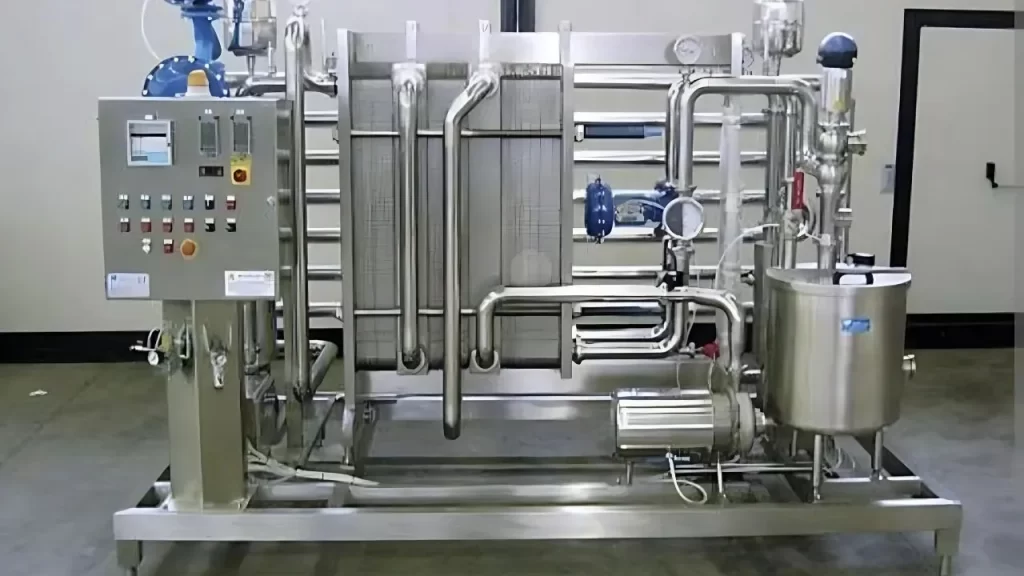
Milk is one of the most consuming foods in India, but it’s also highly perishable. To ensure its safety and extend shelf life, milk must go through an important process like pasteurization method. Pranam Ji Engineering Works specialized in providing high-performance dairy machinery like milk pasteurization systems for modern dairy businesses. We’ll explain the milk pasteurization method, its types, and why it plays an important role in the dairy industry. Also Read : Top dairy Equipment Manufacturers in India   What is Milk Pasteurization? Milk pasteurization is the process of heating milk to a specific temperature for a fixed time and then fastly cooling it. This kills harmful pathogens like Salmonella, Listeria, E. coli, and other bacteria without altering the nutritional quality of milk. Why is Pasteurization Important? Pasteurization is important process for milk because it kills harmful bacteria and pathogens, prevents spoilage and extends milk’s shelf life, preserves flavor and nutritional value, essential for compliance with FSSAI and global food safety standards. Pasteurization plays a crucial role by: Eliminating harmful microorganisms. Extending the shelf life of milk. Maintaining milk’s nutritional quality. Helping dairy businesses meet food safety regulations. Factors Affecting Pasteurization Several factors play a role in achieving safe pasteurization results: Milk Quality – Fresh, clean raw milk requires less intense treatment. Equipment Accuracy – A reliable milk processor ensures the exact pasteurization temperature and time is maintained. Batch Size – Larger operations need advanced machinery for consistency. Cooling System – Rapid cooling after heating is necessary to prevent bacterial regrowth. This makes it clear that quality dairy machinery is essential for proper milk processing. Milk Pasteurization Methods There are several methods of milk pasteurization, and the choice depends on the dairy plant’s scale and product requirements. Here are the most common methods used in India and globally: 1. Low-Temperature Long Time (LTLT) Method Temperature: 63°C Time: 30 minutes Used mainly in small-scale or batch processing systems LTLT is an older but effective method. Milk is heated in a large vat and held at the desired temperature before cooling. Though time-consuming, it’s still preferred by some for small-batch production or organic milk. 2. High-Temperature Short Time (HTST) Method Temperature: 72°C Time: 15 seconds Ideal for large-scale commercial production HTST is the most common milk pasteurization method in modern dairies. It uses a continuous flow system with plate heat exchangers to heat and then rapidly cool the milk. This method retains more nutrients and is energy-efficient. Our HTST pasteurizers ensure quick processing and high output with precise temperature control. 3. Ultra-High Temperature (UHT) Pasteurization Temperature: 135–150°C Time: 2–4 seconds Produces shelf-stable milk without refrigeration UHT is used for long-life milk (tetra packs). The milk is sterilized and then packaged in aseptic conditions. It’s ideal for companies targeting remote areas or export markets. We offer compact UHT systems for startups as well as large-scale setups for commercial dairy plants. Steps in the Milk Pasteurization Process Raw Milk Collection – Fresh milk is collected and filtered. Preheating – Milk is brought to a moderate temperature. Heating – The milk is heated to the target pasteurization temperature. Holding – Milk is held at this temperature for the required time. Cooling – The milk is rapidly cooled to 4°C. Storage/Packaging – Pasteurized milk is stored in insulated tanks or packaged immediately. Final Words When it comes to choosing the right milk pasteurization method it wholly depends on your business size, product goals, and budget. Whether you’re running a small dairy or a high-volume milk plant, pasteurization is a non-negotiable step for safety and success. Pranam Ji Engineering Works bring you reliable, and hygienic pasteurization equipment to help your business deliver pure, safe, and quality milk to every household.

Milk Pasteurization Method Read More »

How to Start a Dairy Business in India

Dairy Processing Plant Manufacturers

How to Start a Dairy Business in India India has long been one of the largest producers of milk in the world, making the dairy business a highly profitable sector for aspiring entrepreneurs. Whether you are interested in a small-scale cow milk business or a large milk farm business, understanding the fundamentals is essential for long-term success. Pranam ji Engineering Work is one of the leading companies that provide advanced solutions to support dairy entrepreneurs, from milk processing plants to dairy processing plant equipment. How to Start Dairy Business Starting a dairy business requires careful planning, proper infrastructure, and knowledge of animal husbandry. The first step is to decide on the scale of your venture. A small-scale milk farming business can be started with a handful of cows, while larger operations require substantial investment in land, livestock, and machinery. Market Research and Planning: It is essential to conduct thorough market research. Identify the demand for milk and other dairy products in your area. Understand the pricing trends, potential customers, and competition. This will help you determine the size and scope of your cow milk business. A well-drafted business plan should include details about the number of cows you intend to keep, the type of breed, feed management, marketing strategies, and the investment required for a milk processing plant or a dairy processing plant. Pranam ji Engineering Work can assist you in setting up the right equipment that ensures efficiency and hygiene in processing milk and other dairy products. Choosing the Right Breed and Cow Management: Selecting the right breed is critical for a successful milk farm business. High-yielding breeds like Holstein Friesian, Jersey, and Sahiwal are popular choices among dairy entrepreneurs. Cows require clean, spacious, and well-ventilated sheds to remain healthy and productive. Proper feeding and water supply must be ensured. Infrastructure and Equipment: A critical component of starting a dairy business is investing in infrastructure. This includes cow sheds, storage facilities, feed storage, and milking parlors. To enhance productivity and hygiene, a milk processing plant or a dairy processing plant is highly recommended. Licensing and Legal Requirements: Starting a milk farm business in India requires compliance with local and state regulations. Obtain the necessary licenses from the Food Safety and Standards Authority of India (FSSAI) for operating a cow milk business or any dairy production unit. Registration under local municipal authorities may also be required. Proper documentation is essential for the smooth operation of your dairy business. This includes animal health certificates, land ownership documents, and permits for a dairy processing plant if you plan to sell processed milk or dairy products commercially. Feeding and Nutrition: The productivity of your milk farming business depends significantly on the nutrition and care provided to your cows. Clean water supply and proper hygiene practices prevent diseases and maintain milk quality. Marketing and Distribution: Marketing is a key element of a successful cow milk business. Identify potential buyers such as households, local shops, or even supermarkets. Collaborating with distributors or setting up a dairy processing plant allows you to process milk into products like butter, cheese, yogurt, and ghee, thereby increasing your revenue streams. Scaling Up: Once your milk farm business becomes stable, you can expand operations by increasing the number of cows, diversifying into dairy products, or setting up multiple milk processing plants. Proper planning, quality control, and consistent supply are critical factors in scaling up your dairy enterprise. Training and Expertise: For anyone new to the milk farming business, gaining practical knowledge about dairy management is vital. Attend workshops, seek guidance from experts, and work closely with companies like Pranam ji Engineering Work, which offer technical support, machinery training, and operational guidance to make your venture successful. Starting a dairy business in India can be a rewarding and sustainable venture with the right planning, infrastructure, and support. From a small cow milk business to a full-fledged milk farm business, entrepreneurs have a significant opportunity to meet the growing demand for dairy products. Investing in a milk processing plant or a dairy processing plant not only enhances product quality but also opens new revenue streams. Pranam ji Engineering Work, who offer end-to-end support for dairy operations, can build a profitable and efficient dairy enterprise. By combining proper cow management, quality feed, advanced processing facilities, and effective marketing, your milk farming business can thrive in India’s dynamic dairy industry.

How to Start a Dairy Business in India Read More »

Stainless steel milk storage tanks for the dairy industry

Milk Storage Tank

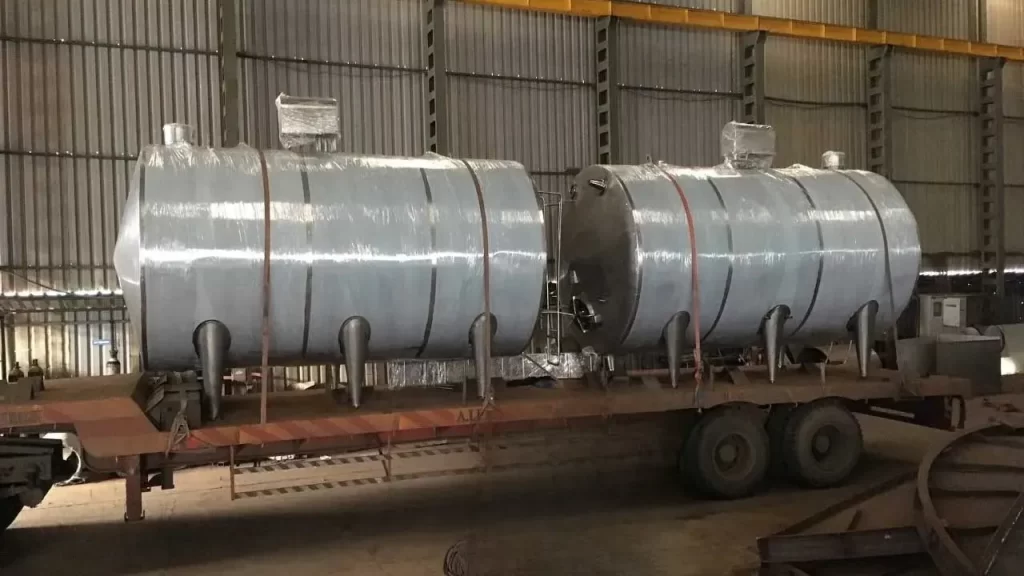
Stainless Steel Milk Storage Tanks for the Dairy Industry Pranam Ji Engineering Works is a prominent manufacturer, supplier, and exporter of stainless steel milk storage tanks tailored for the dairy industry in India. Their extensive product range includes various equipment essential for milk processing, storage, and handling. Features of Milk Storage Tanks 1. High-Quality Material Pranam Ji Engineering Works utilizes stainless steel, specifically SS304 and SS316L grades, for their milk storage tanks. This material is known for its durability, corrosion resistance, and hygienic properties, making it ideal for food applications. 2. Insulated Design The tanks are designed with effective insulation to maintain optimal temperatures for milk storage. This feature is crucial for preventing spoilage and ensuring that the milk remains fresh by minimizing temperature fluctuations. 3. Various Capacities They offer a range of tank sizes to accommodate different operational needs, from small-scale dairy farms to large processing facilities. Capacities can vary significantly, allowing clients to choose tanks that best fit their production requirements. 4. Advanced Cooling Systems Pranam Ji’s tanks often incorporate integrated cooling systems to quickly chill the milk after collection. Maintaining a temperature below 4°C is essential for preserving milk quality and preventing bacterial growth. 5. Easy Maintenance The design includes features that facilitate easy cleaning and maintenance, such as Clean-in-Place (CIP) systems. These systems allow thorough sanitation without the need to disassemble the tank, ensuring compliance with hygiene standards. 6. Customization Options Recognizing the diverse needs of clients, Pranam Ji Engineering Works provides customization options for their tanks. This includes variations in size, insulation types, and additional features like agitation systems to prevent cream separation. Conclusion Pranam Ji Engineering Works stands out as a reliable choice for stainless steel milk tanks in the dairy industry. With a commitment to quality, innovation, and customer satisfaction, they provide solutions that enhance the efficiency and safety of milk storage and processing operations in India. Their products are designed to meet international standards, ensuring that dairy producers can maintain high-quality standards in their operations. Pranam ji Engineering Works, located in Ghaziabad, Uttar Pradesh, is a leading manufacturer of Milk Chilling Plant. Renowned for our exceptional quality and client satisfaction, we specialize in Milk Processing Plant, Mini Dairy Plant, Bulk Milk Cooler, Milk Storage Tank,  Ghee Making Plant, and Milk Pasteurizer Plant. Our standout feature is our 24/7 customer support, ensuring you always have assistance when needed. For inquiries or support, call us at 09997737365, 7017598033 or email salespranamjiew@gmail.com

Stainless steel milk storage tanks for the dairy industry Read More »

Shopping Cart