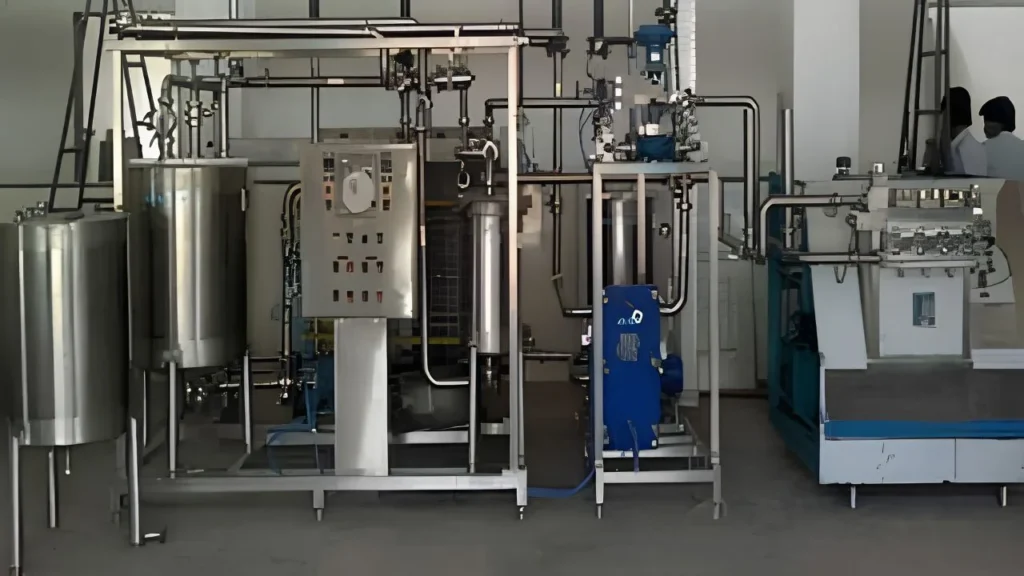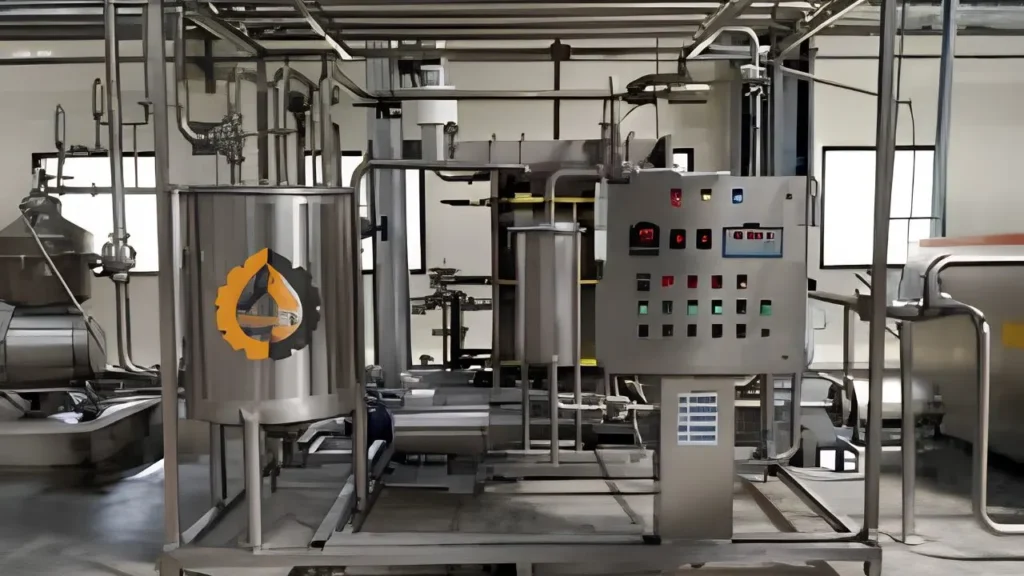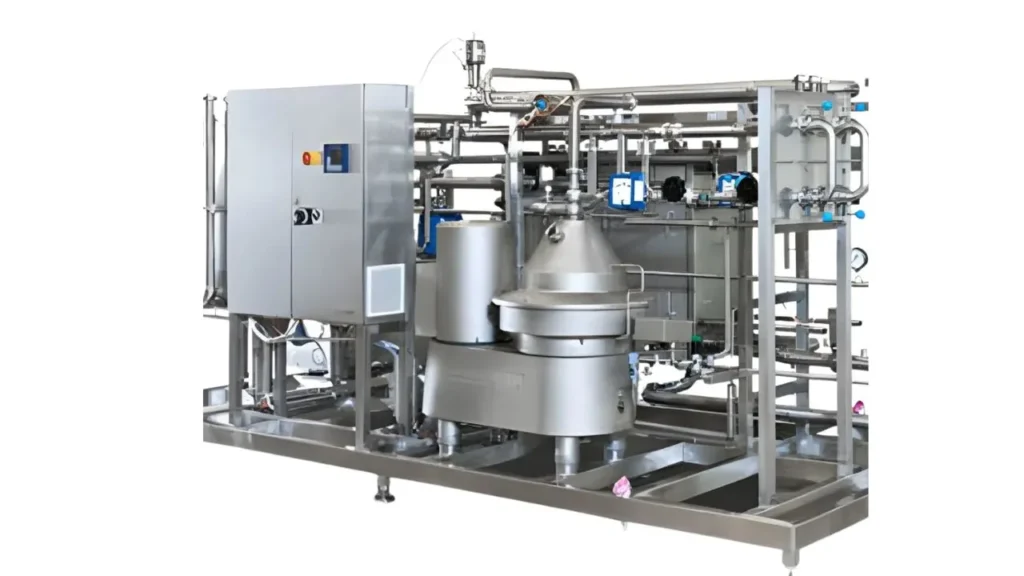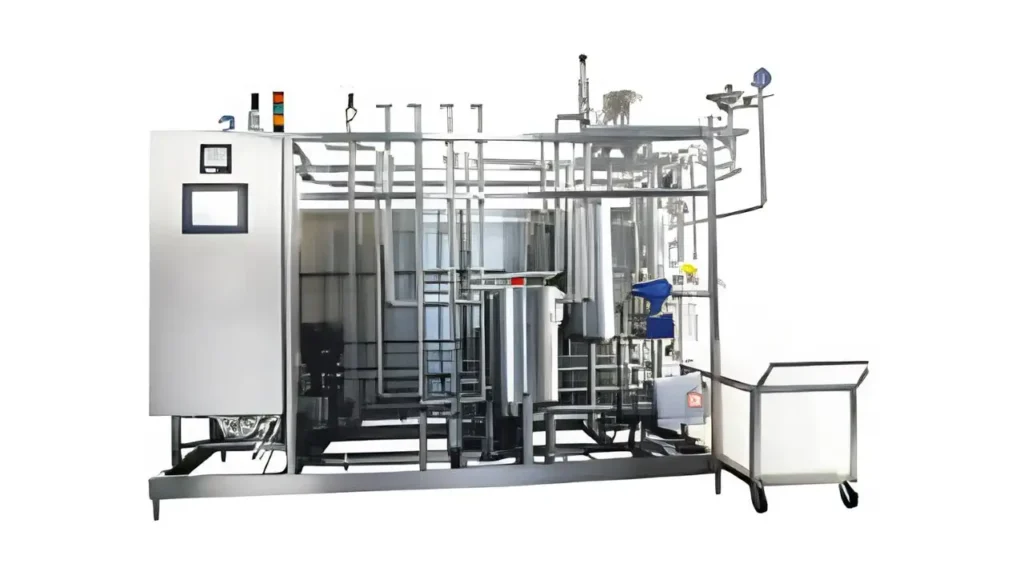
Milk Plant Manufacturer

arsadmin

How to Get Maximum Benefits from Milk Using a Milk Chilling Plant

Milk Chilling Plant

Pranam ji Engineering Works is a trusted name in the dairy industry, we provide advanced solutions that help farmers, dairy owners, and milk collection centers maintain the highest quality of milk. One of the most effective ways to preserve milk and enhance its value is through the proper chilling of milk immediately after collection. With the support of a reliable milk chilling plant, it becomes easy to protect milk from spoilage and ensure better returns. Importance of Milk Chilling Prevents Bacterial Growth: Immediate chilling of milk slows down bacteria, keeping milk safe and fresh for longer. Maintains Quality and Nutrition: Proper milk chilling helps retain essential nutrients, taste, and natural aroma. Extends Shelf Life: When you chill milk quickly, it increases storage time and reduces spoilage. Improves Market Value: Understanding the chilled milk meaning ensures better quality standards, leading to higher prices in the market. Reduces Wastage: Using a milk chilling machine minimizes losses by preserving milk efficiently. Why Instant Chilling is Necessary When milk is not cooled immediately, it can lose its quality within a few hours, especially in warm climates. The process to chill milk instantly helps in: Reducing bacterial growth Maintaining natural flavor and aroma Increasing shelf life Preventing souring and spoilage Using a high-quality milk chilling machine, dairy operators can ensure that milk is cooled quickly and efficiently, minimizing losses and maximizing profits. How to Maximize Benefits from Milk Chilling To get the best results from your milk chilling plant, it is important to follow a few best practices: Maintain Hygiene: Cleanliness is essential in dairy operations. Ensure that all equipment, including the milk chilling machine, is cleaned regularly to avoid contamination. Quick Processing: The faster you start the chilling of milk, the better the results. Delays can lead to bacterial growth, which reduces milk quality. Monitor Temperature: Always maintain the recommended temperature for milk chilling. This ensures that the milk remains fresh and safe. Regular Maintenance: Proper servicing of your chilling plant ensures long-term performance and efficiency. Pranam ji Engineering Works offer support services to keep your equipment in excellent condition. Also Read : How Milking Machines Support Modern Dairy Farming and Milk Processing Plant Applications of Chilled Milk Understanding the chilled milk meaning also helps in realizing its wide range of uses. Chilled milk is essential for: Dairy processing industries Production of milk-based products Bulk transportation Export-quality dairy supply When milk is properly cooled, it becomes more versatile and valuable in the market. Why Choose Pranam ji Engineering Works? Pranam ji Engineering Works stands out as a reliable partner for dairy solutions. We provide high-performance milk chilling plants designed to meet modern industry requirements. With a focus on innovation and customer satisfaction, our company ensures that dairy operators can achieve maximum benefits from their milk production. The chilling of milk is not just a process but a necessity for maintaining quality and profitability in the dairy business. Understanding the chilled milk meaning and implementing efficient systems to chill milk can make a significant difference. By investing in a reliable milk chilling machine from Pranam ji Engineering Works, dairy owners can ensure superior milk chilling, reduce wastage, and increase their overall returns. With the right approach and technology, it is possible to transform milk into a highly valuable and long-lasting product.  

How to Get Maximum Benefits from Milk Using a Milk Chilling Plant Read More »

How Milking Machines Support Modern Dairy Farming and Milk Processing Plant

Milking Machine

Pranam Ji Engineering Works is a trusted name in the dairy equipment industry, offer advanced solutions that help farmers upgrade their operations with ease. This is where a modern milking machine plays a crucial role, especially for farms that are directly connected to a milk processing plant. The need for efficiency, hygiene, and consistency has become more important than ever. A well-designed milk machine for cows helps farmers manage large herds efficiently while maintaining the quality of milk. It ensures that the milking process is smooth, quick, and comfortable for the animals. Why are modern dairy farms depending on milking machines? A milking machine allows farmers to milk several cows in a shorter time compared to manual methods. This is extremely helpful for those supplying milk to a milk processing plant, where regular and high-quality supply is essential. With the use of a cow milk machine, farmers can maintain a steady flow of milk without delays. This ensures that the milk collected is clean and safe, making it ideal for processing in a milk processing plant. Also Read : Food Preservation: Pasteurization of Raw Milk for Home Consumption How Do Milking Machines Support the Dairy Supply Chain? Improved Milk Collection Efficiency: A milking machine helps farmers collect milk quickly and consistently. With the use of milking machines, large quantities of milk can be handled easily, ensuring a steady supply to the milk processing plant. Better Hygiene and Milk Quality: A modern milk machine for cows reduces human contact, which lowers the risk of contamination. Easy Storage and Transportation: Milk collected through a cow milk machine is easier to store and transport. It stays fresh for longer, making it ideal for smooth delivery to the milk processing plant. Reduced Labor and Time Saving: By using milking machines, farmers save time and reduce dependency on manual labor. This improves overall efficiency and helps meet market demand faster. Strong Farm-to-Plant Connection: Overall, a milking machine creates a reliable link between farms and the milk processing plant, ensuring consistent supply, better quality, and improved productivity. Role of Milking Machines in Improving Dairy Efficiency Faster Milking Process: A milking machine allows farmers to milk multiple cows in less time, increasing daily productivity. This speed helps maintain a consistent supply for a milk processing plant. Consistent Milk Output: With milking machines, the milking process remains uniform, ensuring steady milk flow. A milk machine for cows avoids irregularities that often happen in manual milking. Reduced Labor Dependency: A cow milk machine minimizes the need for manual labor, making farm operations easier and more cost-effective. Farmers can manage larger herds with fewer workers. Better Time Management: By using a milking machine, farmers save valuable time, which can be used for other important tasks like animal care and farm maintenance. Improved Overall Efficiency: Overall, milking machines enhance farm performance by combining speed, consistency, and hygiene, helping farmers efficiently supply milk to a milk processing plant. Why Choose Pranam Ji Engineering Works? Pranam Ji Engineering Works has established itself as a reliable and trusted name in the dairy equipment industry by consistently delivering quality and performance.  We provide a wide range of solutions, including advanced milking machines, durable milk machines for cow systems, and complete setups for a milk processing plant, making them a one-stop destination for dairy entrepreneurs. Choosing Pranam Ji Engineering Works means investing in reliability, efficiency, and growth. With our commitment to excellence and their ability to offer modern dairy solutions, we continue to support farmers and businesses in building a strong connection between dairy farms and the milk processing plant, ensuring long-term success in the dairy sector.

How Milking Machines Support Modern Dairy Farming and Milk Processing Plant Read More »

Food Preservation: Pasteurization of Raw Milk for Home Consumption

Pasteurization

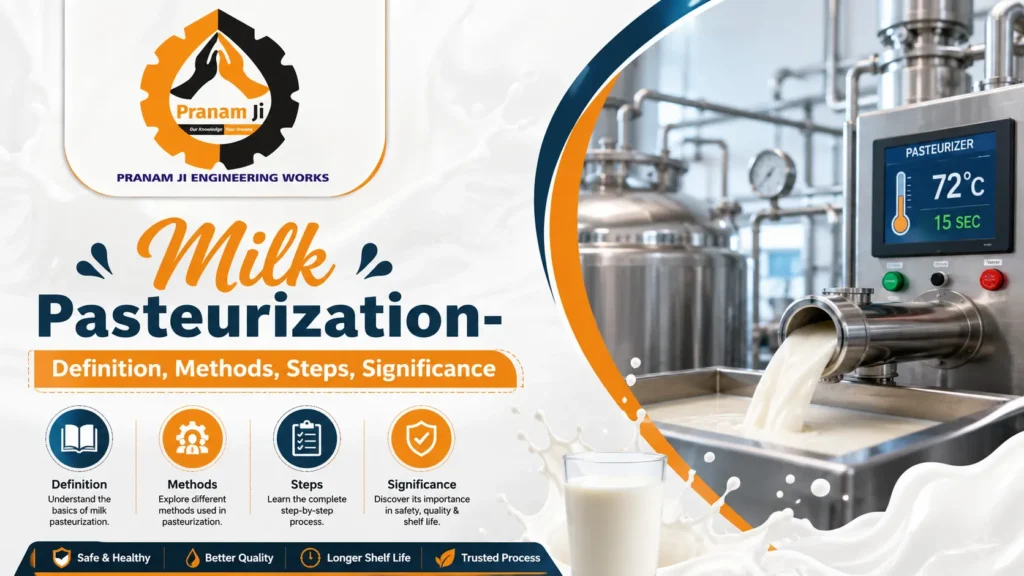
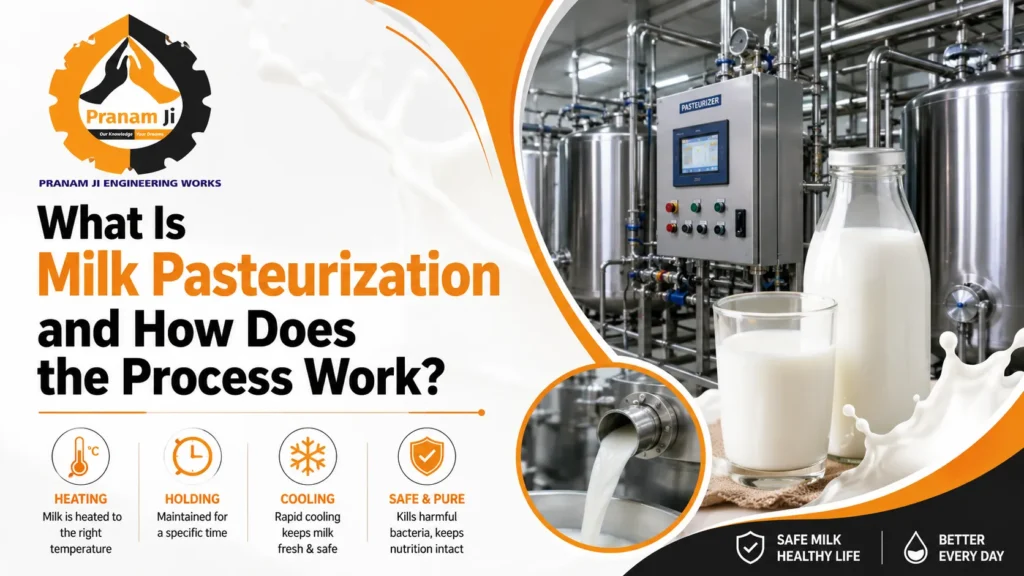
Pranam ji Engineering Works proudly stands as a trusted name in the field of food processing solutions. We offer advanced and reliable equipment designed to ensure safe and hygienic consumption of dairy products. One of the most essential processes for maintaining milk safety is milk pasteurization, especially for households that prefer fresh, raw milk. Understanding how to properly treat raw milk can make a significant difference in health and quality. How to Pasteurize Milk Milk is a highly nutritious liquid, but raw milk may contain harmful bacteria such as E. coli, Salmonella, and Listeria. That’s where milk pasteurization plays a crucial role. It is a simple heat-treatment process that kills harmful microorganisms without significantly affecting the nutritional value. For home use, the low-temperature long-time (LTLT) method is ideal: Heat the milk to 63°C (145°F) Maintain this temperature for 30 minutes Cool the milk immediately to below 5°C (41°F) At Pranam ji Engineering Works, we offer high-quality Milk Pasteurizer machines that simplify this process, making it safer and more efficient for both small-scale and home-based users. Also Read : Comprehensive Guide to the Milk Powder Plant: Steps and Benefits How Do You Pasteurize Milk If you’re wondering how you pasteurize milk effectively without industrial equipment, the process can still be managed at home with proper care. However, consistency and hygiene are key factors. Here’s a simple step-by-step approach: Pour raw milk into a clean stainless steel container. Place it on a stove and heat slowly while stirring. Use a thermometer to monitor the temperature. Once it reaches 63°C, maintain that heat for 30 minutes. Remove from heat and place the container in cold water to cool rapidly. Store the pasteurized milk in a clean, covered container in the refrigerator. This method ensures that harmful bacteria are eliminated while preserving the taste and nutritional benefits of milk. How to Pasteurize Milk at Home While raw milk may seem natural, it carries potential risks if consumed without proper treatment. Home pasteurization is not just about heating milk; it is about doing it correctly. Here are some additional tips: Always use fresh raw milk. Maintain cleanliness in utensils and storage containers. Avoid overheating, as it can alter the taste and nutritional value. Cool the milk quickly to prevent bacterial regrowth. The process of milk pasteurization at home becomes easier and more reliable with the right tools. Pranam ji Engineering Works understands the needs of modern households and small dairy users. We offer user-friendly pasteurization solutions that combine technology with simplicity. Our machines are designed to ensure uniform heating, energy efficiency, and long-lasting performance. Importance of Milk Pasteurization Milk pasteurization is not just a process—it is a necessity for safe consumption. Raw milk can be unpredictable in quality, and even healthy-looking milk can contain harmful bacteria. Here are some key benefits: Eliminates harmful microorganisms Extends shelf life of milk Maintains nutritional value Improves safety for children and elderly With rising awareness about health and hygiene, more households are adopting milk pasteurization practices. Whether done manually or using a Milk Pasteurizer, the goal remains the same—safe and clean milk for daily consumption. Why Choose Pranam ji Engineering Works At Pranam ji Engineering Works, we are committed to delivering excellence in dairy processing solutions. We offer innovative and durable Milk Pasteurizer systems that cater to both home and small-scale commercial needs. We believe that everyone deserves access to safe and hygienic milk. That’s why our solutions are designed to make milk pasteurization simple, effective, and accessible. Pranam ji Engineering Works continues to lead the way by providing advanced pasteurization solutions that meet modern needs. Whether you choose traditional methods or invest in a Milk Pasteurizer, the importance of milk pasteurization cannot be overlooked.

Food Preservation: Pasteurization of Raw Milk for Home Consumption Read More »

Comprehensive Guide to the Milk Powder Plant: Steps and Benefits

Milk Powder Plant

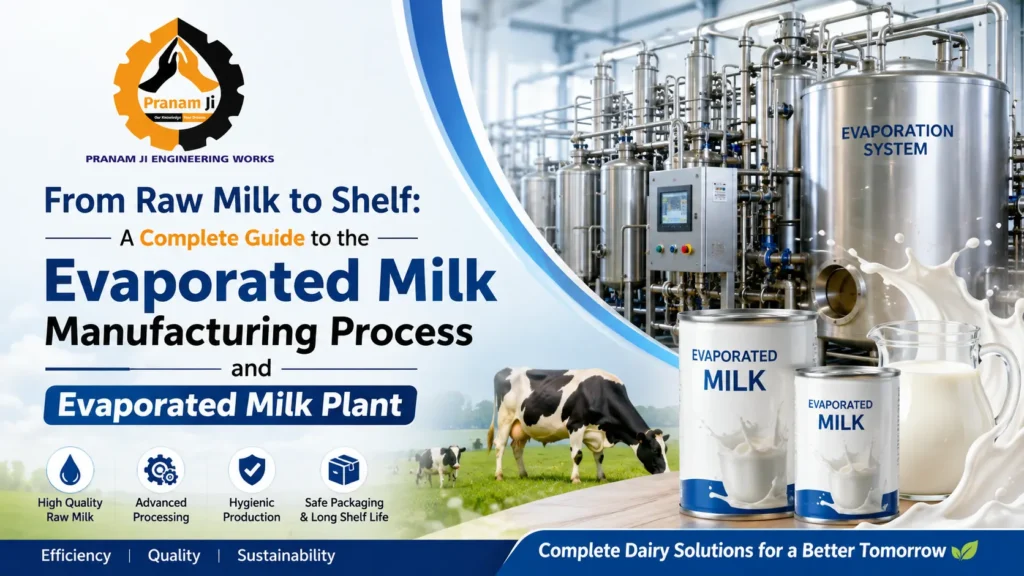
The demand for milk powder has grown rapidly due to its long shelf life, easy transportation, and wide usability in food industries. A modern milk powder plant plays a crucial role in transforming fresh milk into a stable, high-quality powdered form. Pranam Ji Engineering Works provide advanced solutions that help dairy businesses streamline operations and maintain consistent product quality. In this comprehensive guide, we will explore the milk powder making process, understand the process of making milk powder, and highlight the key benefits of investing in a well-designed plant. A milk powder plant is a fully integrated system designed to convert liquid milk into powdered form through a series of controlled steps. The processing of milk powder requires precision, hygiene, and advanced machinery to ensure that the nutritional value of milk is retained. Pranam Ji Engineering Works provide customized milk powder plant solutions tailored to the specific needs of dairy industries, whether small-scale or large-scale operations. Also Read : How to Make Butter with a Butter Churner Machine Steps Involved in the Milk Powder Making Process The milk powder making process involves multiple stages, each playing a vital role in ensuring quality and efficiency. 1. Milk Collection and Storage The process begins with the collection of fresh milk from dairy farms. The milk is then stored in chilled storage tanks to maintain freshness and prevent bacterial growth. 2. Filtration and Clarification In this stage, impurities such as dust, dirt, and other particles are removed. This ensures that only clean and pure milk proceeds to the next stage of the process of making milk powder. 3. Standardization Standardization adjusts the fat and solid content of milk according to the desired type of milk powder (whole, skimmed, or partially skimmed). This step is essential in the processing of milk powder to achieve consistency. 4. Pasteurization Milk is heated to a specific temperature to eliminate harmful bacteria. Pasteurization ensures safety and extends the shelf life of the final product. 5. Evaporation In this stage, a significant portion of water is removed from the milk using evaporators. This concentrates the milk and prepares it for drying. It is a crucial step in the milk powder making process. 6. Spray Drying Spray drying is the core step in the process of making milk powder. The concentrated milk is sprayed into a hot air chamber, where water quickly evaporates, leaving behind fine milk powder particles. 7. Cooling and Packaging The powdered milk is cooled to maintain quality and prevent moisture absorption. It is then packed in airtight containers to ensure long shelf life and easy distribution. Pranam Ji Engineering Works provide advanced machinery for each stage, ensuring efficiency and hygiene throughout the entire system. Key Components of a Milk Powder Plant A modern plant consists of several essential components that work together seamlessly: Milk storage tanks Filtration and clarification units Pasteurizers Evaporators Spray dryers Packaging machines Each component plays a vital role in the smooth processing of milk powder and ensures high-quality output. Benefits of a Milk Powder Plant Investing in a milk powder plant offers numerous advantages for dairy businesses: Extended Shelf Life: Milk powder has a much longer shelf life compared to liquid milk, reducing wastage and improving profitability. Easy Storage and Transportation: Powdered milk is lightweight and easy to store, making transportation more convenient and cost-effective. Versatility: Milk powder is widely used in various industries such as bakery, confectionery, infant food, and beverages. Consistent Quality: With advanced systems from Pranam Ji Engineering Works, businesses can ensure uniform quality in every batch during the milk powder making process. Increased Profitability: Efficient processing of milk powder allows businesses to utilize surplus milk and convert it into a value-added product. Why Choose Pranam Ji Engineering Works?   When it comes to setting up a reliable milk powder plant, choosing the right manufacturer is essential. Pranam Ji Engineering Works offer innovative and high-performance solutions designed to meet industry standards. A milk powder plant is a valuable investment for any dairy business aiming to expand its product range and improve efficiency. From collection to packaging, every step in the milk powder making process is crucial in ensuring high-quality output. By partnering with trusted manufacturers like Pranam Ji Engineering Works, businesses can access reliable technology that helps them offer superior milk powder products to the market. With the right setup and proper understanding of the process of making milk powder, companies can achieve long-term success and sustainability in the dairy industry.    

Comprehensive Guide to the Milk Powder Plant: Steps and Benefits Read More »

How to Make Butter with a Butter Churner Machine

Butter Churner Machine

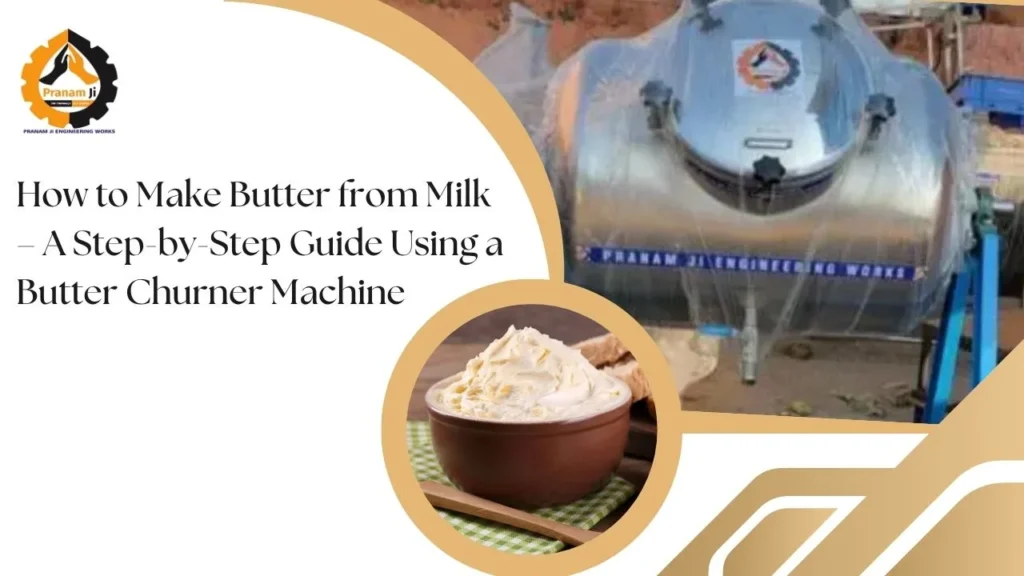
Pranam ji Engineering Works proudly stands as a trusted name in dairy equipment manufacturing. We offer high-quality dairy processing solutions designed to simplify traditional methods and enhance productivity. Among our most popular products is the Butter Churner Machine, specially engineered to make butter production easy, hygienic, and efficient for small dairy farms as well as large-scale operations. If you are wondering how to make butter using a Butter Churner, this complete guide will help you understand the process step by step. Butter Making Process Butter making is a traditional dairy practice that involves separating fat from cream through continuous agitation. In earlier times, this was done manually using wooden churners. However, modern dairy businesses now depend on the Butter Churner Machine to achieve faster results with consistent quality. A Butter Churner works by rotating cream at controlled speeds, causing fat globules to clump together and separate from buttermilk. With advanced engineering and durable construction, the Butter Churner Machine has become an essential tool in dairy units, sweet shops, and milk processing plants. Also Read : Pasteurization : Definition, Types, Comparison, Process & Uses Step-by-Step Guide to Making Butter with a Butter Churner Machine 1. Collect Fresh Cream The first step in butter production is collecting fresh cream. Cream can be separated from milk using a cream separator or collected from stored milk. For best results: Use fresh, high-fat cream. Ensure the cream is chilled at around 10–15°C. Avoid contaminated or sour cream. Quality cream directly affects the final taste and texture of butter. 2. Prepare the Butter Churner Before starting the process, ensure that the Butter Churner Machine is clean and sanitized. Hygiene plays a crucial role in dairy production. Wash the drum and blades properly. Check that all parts are assembled correctly. Ensure the power connection is stable. At Pranam ji Engineering Works, we provide easy-to-clean Butter Churner models made from food-grade stainless steel, ensuring safety and durability. 3. Fill the Machine with Cream Pour the prepared cream into the Butter Churner drum. Avoid overfilling; usually, the drum should be filled up to 60–70% capacity to allow proper agitation. Overloading may reduce efficiency and affect butter quality. 4. Start the Churning Process Switch on the Butter Churner Machine and allow it to rotate at the recommended speed. During this process: The cream begins to thicken. Fat globules start clumping together. Buttermilk gradually separates from the butter. The churning process usually takes 10 to 20 minutes, depending on the cream quality and machine capacity. Modern Butter Churner systems are designed with efficient motors to ensure uniform rotation and quicker results. 5. Separate Butter from Buttermilk Once the butter lumps are visible and fully formed, stop the machine. Open the drainage valve to remove the buttermilk. The separated buttermilk can be collected for further use in beverages or cooking. The solid mass left inside the Butter Churner is raw butter. 6. Wash the Butter To improve shelf life and taste, wash the butter with chilled clean water. This helps remove any remaining buttermilk. Some Butter Churner Machine models come with in-built washing features to simplify this step. Repeat washing until the water runs clear. 7. Kneading and Shaping After washing, knead the butter gently to remove excess water. You can then shape it into blocks or pack it as required. Some advanced Butter Churner machines include butter working attachments to streamline this process. Advantages of Using a Butter Churner Machine Using a Butter Churner instead of traditional methods offers multiple benefits: Time-saving – Faster production compared to manual churning. Higher efficiency – Consistent output with less labor. Hygienic processing – Stainless steel construction ensures food safety. Uniform texture – Controlled speed ensures smooth butter quality. Large capacity – Suitable for commercial production. Pranam ji Engineering Works provide Butter Churner Machine models in various capacities to meet the needs of small dairy units and industrial milk processing plants. Types of Butter Churner Machines Depending on your business scale, different types of Butter Churner options are available: Manual Butter Churner: Suitable for small-scale and household use. It requires physical effort but is cost-effective. Electric Butter Churner Machine: Ideal for medium and large dairy operations. It operates on electricity and provides faster results with minimal effort. Industrial Butter Churner: Designed for large milk processing plants. These machines handle bulk quantities and ensure continuous production. At Pranam ji Engineering Works, we offer customized Butter Churner Machine solutions that match specific production requirements. Why Choose Pranam ji Engineering Works? Choosing the right manufacturer is as important as choosing the right machine. Pranam ji Engineering Works offer reliable dairy machinery built with precision engineering and quality materials. Our Butter Churner models are designed to deliver: Strong and durable construction Energy-efficient motors Easy operation and maintenance Long service life Competitive pricing We focus on customer satisfaction and provide complete guidance for installation and operation. Making butter has become simple, efficient, and hygienic with the help of a modern Butter Churner Machine. From loading fresh cream to separating buttermilk and shaping butter, every step becomes smooth and hassle-free. A high-quality Butter Churner not only saves time but also ensures consistent taste and texture, which is essential for dairy businesses. If you are planning to start or upgrade your dairy production unit, investing in a reliable Butter Churner Machine is a smart decision. Pranam ji Engineering Works proudly provides advanced Butter Churner solutions that combine traditional butter-making principles with modern technology, helping your dairy business grow with confidence and efficiency.

How to Make Butter with a Butter Churner Machine Read More »

Pasteurization : Definition, Types, Comparison, Process & Uses

Pasteurization

Pranam ji Engineering Works believes that food safety is not just about machines—it is about protecting health, preserving nutrition, and building trust with consumers. We offer pasteurization solutions to ensure food safety while maintaining quality and also offer advanced systems that balance temperature and time for optimal results. One of the most important processes that supports safe food and beverage production is pasteurization. From milk and dairy products to juices and liquid foods, pasteurization plays a silent but powerful role in our daily lives. What Is Pasteurization? Pasteurization is a heat treatment process used to destroy harmful microorganisms present in food and beverages without significantly affecting taste or nutritional value. In Pasteurization in microbiology, the process focuses on reducing pathogenic bacteria such as Salmonella, Listeria, and E. coli to safe levels. It does not sterilize the product completely but makes it safe for consumption and extends shelf life. Importance of Pasteurization in Microbiology In Pasteurization in microbiology, the main goal is microbial control. Heat treatment disrupts bacterial cell structures, preventing growth and reproduction. This is especially critical in milk, where raw milk can contain harmful pathogens. Modern equipment offers precise temperature control to ensure consistent microbial reduction. Pranam ji Engineering Works provide reliable pasteurization equipment that supports microbiological safety standards. Also Read : How to Design the Perfect Ice Cream Plant Layout Types of Pasteurization Understanding the types of Pasteurization helps industries select the right method for their products. Different Pasteurization types are used based on the nature of the liquid, shelf-life requirements, and production scale. Low-Temperature Long-Time (LTLT): This method heats the product at a lower temperature for a longer duration. It is commonly used in small-scale dairy operations. Equipment suppliers offer LTLT systems for controlled and gentle heating. High-Temperature Short-Time (HTST): HTST is one of the most popular Pasteurization methods, especially for milk. The product is heated at a higher temperature for a short time, preserving taste while ensuring safety. Many manufacturers offer HTST systems for commercial dairies. Ultra-High Temperature (UHT): UHT is used for long shelf-life products. This Pasteurization type involves very high temperatures for a few seconds. Industries offer UHT solutions for large-scale operations where extended storage is required. Methods of Pasteurization The methods of Pasteurization differ mainly in heating technique and application. Common Pasteurization methods include: Batch pasteurization Continuous flow pasteurization Plate heat exchanger systems Tubular pasteurization systems Modern manufacturers offer automated systems that ensure efficiency, consistency, and hygiene. Role of Milk Pasteurizer in Dairy Industry A Milk Pasteurizer is one of the most essential machines in the dairy industry. It ensures milk is safe for consumption while retaining its natural taste and nutritional value. Dairy equipment manufacturers offer different Milk Pasteurizer capacities for small dairies, commercial plants, and large processing units. Pranam ji Engineering Works offer Milk Pasteurizer systems designed for energy efficiency, hygiene, and ease of operation. These systems help dairies maintain quality standards and consumer trust. Uses of Pasteurization Pasteurization is widely used across industries. It is applied in: Milk and dairy products Fruit juices and beverages Liquid eggs Beer and wine Pharmaceutical and biotech applications Industries depend on equipment suppliers who offer dependable pasteurization solutions for consistent results. Why Choose Pranam ji Engineering Works Pranam ji Engineering Works stands out by focusing on real operational needs. Our company does not just sell machines—we offer complete pasteurization solutions. From system design and manufacturing to installation and support. Our humanized approach means listening to customer challenges and offering practical, easy-to-use solutions that work on the ground. Pasteurization is more than a technical process—it is a commitment to safety, quality, and trust. From Pasteurization in microbiology to advanced Pasteurization methods, the right equipment makes all the difference. With reliable systems that provide precision, efficiency, and hygiene, industries can ensure safe products for consumers. Pranam ji Engineering Works continues to provide dependable pasteurization and Milk Pasteurizer solutions that support safe, sustainable, and high-quality food production.  

Pasteurization : Definition, Types, Comparison, Process & Uses Read More »

How to Design the Perfect Ice Cream Plant Layout

Ice cream plant

When it comes to creating a smooth, efficient, and high-output Ice cream plant, the layout matters just as much as the machinery itself. A well-designed factory layout doesn’t just streamline production it improves hygiene, ensures safety, reduces labor effort, and maximizes overall productivity. Pranam Ji Engineering Works is a trusted name in the dairy and food processing industry, Our company continues to provide customized solutions that align with modern industry standards. We design Ice cream plant layout involves detailed planning, smart engineering, and a complete understanding of the production workflow. Every section from raw milk reception to final product dispatch must be arranged in a logical, smooth, and contamination-free manner. Importance of an Ice Cream Plant Layout A thoughtfully designed ice cream plant layout directly impacts the efficiency of your factory. It helps in: Ensuring hygienic production Reducing manual handling Preventing cross-contamination Minimizing operational errors Improving worker safety Optimizing space and energy use Supporting scalability for future expansion With these benefits in mind, the layout becomes the backbone of your ice cream manufacturing process. 1. Zoning the Plant for Smooth Workflow The first step in designing an efficient Ice cream plant is proper zoning. A typical plant layout is divided into three major zones: A. Raw Material Handling Zone This includes: Milk receiving area Sugar and ingredient storage Stabilizers and emulsifiers room These areas must be kept separate from the processing section to prevent contamination. B. Processing Zone This is the heart of the ice cream plant layout, where key operations like: Mixing Homogenization Pasteurization Aging Flavor addition take place. The flow must be linear so that the product moves in one direction without backtracking. C. Freezing and Packaging Zone This section includes: Continuous freezer area Filling and packing stations Hardening room Placement should ensure that the frozen product moves quickly to packaging without temperature fluctuation. 2. Ensuring Hygienic Flow and Compliance Any Ice cream plant must follow strict hygiene regulations. A good layout ensures: No overlap between raw and finished product Smooth movement of operators and materials Controlled environment in sensitive areas Proper sanitation facilities Drainage systems, ventilation, and lighting must also be planned precisely to meet food safety standards. Pranam Ji Engineering Works designs layouts that not only increase efficiency but also ensure full compliance with hygiene and safety norms. 3. Space Optimization and Future Expansion An inefficient layout could cause crowding, delays, and safety challenges. A perfect ice cream plant layout takes future expansion into account. Considerations include: Allowing extra room for new machines Designing flexible pathways Creating multi-purpose utility areas Planning for possible automation upgrades Pranam Ji Engineering Works always designs layouts that grow with your business, ensuring you never feel restricted. 4. Proper Placement of Utilities and Machinery Utilities like water supply, steam boilers, refrigeration lines, drainage, and electrical systems are essential for seamless operations. A good layout ensures these utilities are easily accessible but do not interfere with workflow. Crucial machinery such as: Mixers Homogenizers Pasteurizers Aging vats Continuous freezers Cold storage units must be arranged in a logical sequence that reduces unnecessary movement. Pranam Ji Engineering Works provides detailed layout drawings so clients know exactly how machinery placement impacts efficiency and safety. 5. Designing for Safety and Employee Comfort A successful Ice cream plant layout integrates safety at every level. Important safety features include: Non-slip flooring Clear aisle pathways Proper insulation around refrigeration equipment Fire-safe electrical systems Separate emergency exits Additionally, designing for employee comfort is equally important. Restrooms, locker rooms, hand-washing stations, and training areas should be conveniently located. These thoughtful design elements help reduce injuries, build morale, and improve daily workflow. Also Read : Raw milk vs. pasteurized milk: What you need to know for your safety Why Choose Pranam Ji Engineering Works? Trusted Expertise in Ice Cream Plant Solutions: Pranam Ji Engineering Works is known for its deep industry knowledge and hands-on experience in designing and building modern Ice Cream Plant setups. Our company understands the needs of both small and large-scale manufacturers and ensures every project is handled with precision and care. High-Quality, Durable & Efficient Machinery: The company uses advanced technology to create machinery that is long-lasting, easy to maintain, and highly efficient. Whether it’s equipment for freezing, mixing, packaging, or complete ice cream plant layout planning, Pranam Ji Engineering Works focuses on delivering strong performance and consistent output. Customized Layouts and Tailored Solutions: Every business has unique production goals. Our team offers complete customization in plant layout, equipment size, automation levels, and workflow planning. End-to-End Support and Smooth Project Execution: From the first consultation to final installation, the company ensures seamless coordination. We provide full support including design, manufacturing, installation, and training, so clients can start production without any complications. Commitment to Innovation and Modern Standards: Pranam Ji Engineering Works believes in continuous improvement. Our plants are designed to meet modern hygiene, safety, and quality standards, ensuring efficient and safe ice cream production. Strong After-Sales Service: We prioritize long-term client relationships, offering reliable after-sales support, quick assistance, and timely maintenance services. This ensures the plant runs smoothly for years. Designing the perfect ice cream plant layout requires experience, engineering skill, and industry knowledge. From zoning and hygiene control to utility planning and automation integration, every detail plays a key role in the success of your Ice cream plant. Pranam Ji Engineering Works continues to offer world-class layout solutions built to your space, production goals, and future expansion plans. With their humanized approach, precision engineering, and commitment to quality, we help you build an ice cream plant that is efficient, hygienic, flexible, and ready for long-term growth.  

How to Design the Perfect Ice Cream Plant Layout Read More »

Raw milk vs. pasteurized milk: What you need to know for your safety

pasteurized milk

Milk is one of the most consumed beverages across the world, but the discussion around raw milk vs pasteurized milk continues to grow. Many people believe raw milk is healthier, while others focus on safety and trust pasteurized milk. To understand what is truly safe and beneficial for your health, it is important to explore the science behind both forms of milk. At Pranam Ji Engineering Works, we offer advanced Milk Pasteurization machinery and complete solutions for any modern milk processing plant. Our mission is to support dairy businesses in delivering safe, high-quality milk to consumers. Raw Milk and Unpasteurized Milk Raw milk, also called unpasteurized milk, is milk that has not undergone any heat treatment to kill harmful bacteria. Advocates of raw milk often highlight its taste and freshness, while promoting raw milk nutrition facts like natural enzymes, vitamins, and probiotics. However, because raw milk comes directly from animals without treatment, it may contain dangerous microorganisms such as E. coli, Listeria, and Salmonella. These pathogens can cause severe illness, especially in children, pregnant women, and older adults. Pasteurized milk, on the other hand, is heated to a specific temperature for a controlled time duration to eliminate harmful bacteria. This process helps increase shelf life, improve safety, and maintain milk quality. The purpose is not to remove nutrients but to protect consumers from infections caused by contaminated milk. Is Raw Milk Good for You? Raw milk does contain natural nutrients, enzymes, and probiotics that support gut health. These raw milk nutrition facts seem appealing, but scientific research shows that the risks often outweigh the benefits. Here’s why: 1. High Risk of Bacterial Contamination: Raw milk can be contaminated during milking, storage, or transportation. Even a clean-looking cow can carry harmful bacteria. 2. Unsafe for Vulnerable Groups: Pregnant women, infants, elderly people, and those with weak immune systems are at greater risk of serious infections. 3. Health Claims Are Not Strongly Proven: Many health benefits promoted by raw milk supporters lack strong scientific evidence. While raw milk may have certain natural components, consuming it without treatment can lead to foodborne diseases. For this reason, global health organizations recommend pasteurization as the safest option. Is Pasteurized Milk Bad for You? Pasteurization was introduced to make milk safer without removing its essential nutrients. There is a myth that heating milk destroys vitamins and enzymes, but the truth is different. Here’s what research says: 1. Pasteurized milk retains almost all nutrients: Only a very small percentage of vitamins may be reduced, but the main nutrients like calcium, protein, and minerals remain intact. 2. It prevents dangerous diseases: Pasteurization kills harmful bacteria that can cause fever, diarrhea, and life-threatening infections. 3. It extends shelf life: Treated milk stays fresh longer, reducing wastage for both consumers and dairy industries. Pasteurization is a scientifically tested and globally accepted process that protects public health. It ensures safe milk consumption without significant nutritional loss. Raw Milk vs Pasteurized Milk: Key Differences To understand the debate clearly, here is a quick comparison of raw milk vs pasteurized milk: 1. Safety Raw milk: High risk of contamination Pasteurized milk: Safe and treated for bacteria removal 2. Nutrition Raw milk: Rich in natural enzymes and probiotics Pasteurized milk: Slight nutrient reduction but still highly nutritious 3. Shelf Life Raw milk: Spoils quickly Pasteurized milk: Long shelf life 4. Taste Raw milk: More natural flavor Pasteurized milk: Mild and consistent taste 5. Health Risks Raw milk: May cause serious infections Pasteurized milk: No infection risks when handled properly Also Read : Innovative Dairy Processing Plant Design and Layout Difference Between Raw Milk vs Pasteurized Milk Point of Difference Raw Milk (Unpasteurized Milk) Pasteurized Milk Safety Level High risk of harmful bacteria like E. coli, Listeria, and Salmonella. Safe for consumption due to heat treatment that kills harmful bacteria. Nutrient Content Contains natural enzymes and probiotics; nutrients are in their raw form. Slight nutrient loss but retains essential proteins, calcium, and minerals. Shelf Life Spoils quickly and requires immediate refrigeration. Longer shelf life due to removal of harmful microorganisms. Taste & Freshness Strong natural flavor and creamy texture. Mild, consistent, and standardized taste. Health Risks Can cause foodborne illnesses, especially in children, pregnant women, and elderly. Very low risk of infection when handled properly. How Pranam Ji Engineering Works Ensures Milk Safety When it comes to dairy processing, safety and quality are critical. At Pranam Ji Engineering Works, we offer world-class milk pasteurization systems, storage tanks, and milk processing machinery. Our equipment is designed to maintain hygiene, improve milk quality, and reduce operational costs for dairy businesses. By using advanced technology, we help farmers and dairy operators deliver safe, bacteria-free, and nutrient-rich milk to consumers. Our solutions ensure: Accurate temperature control Efficient pasteurization Low maintenance systems Reliable and long-lasting performance We proudly support dairy industries with equipment that enhances productivity and guarantees consumer safety. Pranam Ji Engineering Works believes that when it comes to choosing between raw milk and pasteurized milk, your safety should always come first. Raw milk may look natural, but it carries harmful bacteria that can cause serious illness. Pasteurized milk is much safer because the heating process removes dangerous germs while still keeping the important nutrients. By choosing pasteurized milk, you protect yourself and your family from unwanted health risks. With modern Milk Pasteurization systems and reliable technology, every milk processing plant can deliver clean, safe, and healthy milk.  

Raw milk vs. pasteurized milk: What you need to know for your safety Read More »

Innovative Dairy Processing Plant Design and Layout

Dairy Processing Plant

Pranam Ji Engineering Works is committed to transforming the dairy industry by delivering advanced engineering solutions that enhance productivity, hygiene, and operational flow. As experts in modern plant development, we offer advanced systems that support streamlined milk handling, processing, and distribution. One of the most important aspects of dairy infrastructure is the Innovative Dairy Processing Plant Design and Layout, which directly controls plant efficiency, product quality, and long-term operational success. Our engineers work closely with plant owners to understand the nature of their business so we can provide customized layouts that suit their exact requirements. Stages Considered in Dairy Processing Plant Layout A highly functional layout of milk processing plant carefully integrates all major operations. At Pranam Ji Engineering Works, we design layouts that include: Milk Reception Area: This area handles milk collection, weighing, quality testing, and filtration. Its strategic placement ensures that raw milk instantly enters the processing line. Chilling & Storage Section: To maintain freshness, raw milk must be chilled quickly. Our layout places chilling vats and storage tanks close to the reception zone to reduce handling time. Pasteurization & Homogenization: These processes require energy-efficient machinery and hygienic surroundings. We position these units centrally to connect easily with upstream and downstream processes. Packaging Area: A clean, sterile environment is essential for packaging milk, curd, butter, paneer, and other products. We ensure that the packaging area remains contamination-free and easy to sanitize. Utility & Support Rooms: Steam boilers, refrigeration units, compressors, and water treatment plants are placed strategically to power operations without obstructing workflow. Finished Goods Storage: The storage room is placed near dispatch zones to ensure quick loading and efficient distribution. Also Read : Importance of chilling at source to preserve milk quality Principles of Innovative Dairy Plant Designing Creating an efficient and future-ready layout of dairy plant is not just about placing machines; it is about crafting a workflow that minimizes contamination, improves safety, and enhances productivity. Here are the main principles we follow: Smooth Product Flow: From raw milk intake to finished product storage, every step should naturally lead to the next. Our designs eliminate unnecessary crossovers and ensure a hygienic product movement path. Hygienic Separation Zones: Dairy plants require strict separation between clean and unclean areas. We divide the plant into dedicated zones to prevent microbial contamination. This includes raw milk sections, processing rooms, sterile packing areas, and storage sections. Efficient Space Utilization: Whether the plant is small, medium, or large, efficient use of space is essential. Our innovative layouts ensure that every square foot contributes to a productive process. Worker-Friendly Environment: Operators spend hours inside the plant, so it is vital to create a comfortable and safe working environment. We include ergonomic placements, safe equipment access, and well-ventilated sections. Scope for Expansion: Dairy industries grow quickly. That’s why our milk processing plant provides flexibility for future upgrades like adding new processing lines, automation equipment, or storage tanks. Benefits of an Innovative Dairy Plant Layout Choosing a professionally designed milk processing plant layout brings several advantages: Improved product quality due to reduced contamination Higher efficiency with streamlined product flow Lower operational costs because of reduced movement and energy usage Better space management for small and large units Enhanced worker safety and comfort Compliance with food safety standards Greater production capacity with planned expansion options Pranam Ji Engineering Works ensures that every layout we offer meets both industrial and regulatory standards. An innovative dairy processing plant design and layout is essential for creating a safe, efficient, and profitable dairy operation. Pranam Ji Engineering Works continues to lead the industry by delivering thoughtful, practical, and future-oriented plant layouts built to individual business needs. Our commitment to quality, efficiency, and human-centric design ensures that your dairy plant operates at its best every single day. If you want a smart, scalable, and hygienic layout of milk processing plant, Pranam Ji Engineering Works are here to provide the most reliable solutions.  

Innovative Dairy Processing Plant Design and Layout Read More »

Importance of chilling at source to preserve milk quality

Chilling

Pranam Ji Engineering Works is a trusted name in dairy equipment manufacturing, and understands this critical need. We provide Milk Chilling Plants and milk chilling solutions that help farmers and dairy cooperatives preserve milk quality from the very first stage. We ensure that milk remains fresh, safe, and ready for further processing. We maintain its freshness, flavor, and nutritional value largely depending on chilling of milk immediately after milking. What is Chilled Milk? Chilled milk refers to fresh milk that has been rapidly cooled to a temperature below 4°C (typically between 2°C and 4°C) immediately after milking. This process slows down bacterial growth and enzymatic activity, effectively extending the milk’s shelf life. The faster the milk is cooled, the better its quality and taste. When milk is kept at ambient temperatures—especially in warm climates—bacteria can double every 20 minutes, causing quick deterioration. By chilling milk right at the collection source, this microbial growth is minimized, ensuring that the milk maintains its natural composition, flavor, and freshness until it reaches processing units or consumers. Why Chilling of Milk is Important at the Source The chilling of milk at the source—typically done at village collection points or milk chilling centers—plays a major role in maintaining the integrity of the dairy supply chain. Here’s why it matters so much: Prevents Bacterial Growth: Milk is an excellent medium for bacterial growth. Cooling it quickly to below 4°C stops harmful bacteria from multiplying and keeps the milk safe for consumption. Preserves Nutritional Quality: Fresh milk contains essential nutrients like proteins, calcium, vitamins, and enzymes. Immediate milk chilling prevents nutrient breakdown, keeping the milk wholesome and healthy. Maintains Taste and Freshness: Delayed chilling can cause souring, off-flavors, and undesirable odors. Chilling the milk immediately helps retain its natural taste and aroma. Reduces Spoilage Losses: Milk chilling centers reduce such losses by maintaining optimal conditions for storage and transport. Supports Efficient Processing: When milk reaches processing units at the right temperature, pasteurization and packaging become more efficient, reducing energy costs and improving final product quality. The Role of Milk Chilling Centers A milk chilling center acts as the first line of defense in the dairy value chain. It is where milk from various farmers is collected, cooled, and stored before being transported to processing plants. At a milk chilling center, fresh milk is received, tested for quality, and quickly cooled using a Milk Chilling Plant. Pranam Ji Engineering Works offers complete milk chilling center solutions—from the design and installation of Milk Chilling Plants to maintenance and technical support. Our systems are designed to handle large volumes efficiently while ensuring minimal energy consumption and operational cost. Also Read : Steam Boiler in Dairy Industry : Its Use and Important Factors in Milk Industry Components of a Milk Chilling Plant A Milk Chilling Plant typically includes: Bulk Milk Cooler (BMC): Used to rapidly chill milk to 4°C or lower. Refrigeration Unit: Maintains the cooling temperature continuously. Agitator: Keeps milk uniformly mixed to prevent cream separation. Control Panel: Monitors temperature and operational efficiency. CIP System (Cleaning-In-Place): Ensures hygiene and easy cleaning. Pranam Ji Engineering Works designs each Milk Chilling Plant with advanced refrigeration technology and durable components, ensuring reliable performance even in challenging field conditions. The chilling of milk at the source is a cornerstone of modern dairy operations. It prevents spoilage, maintains nutritional value, and ensures the highest quality for consumers. Without effective milk chilling, even the best raw milk can lose its value within hours. Pranam Ji Engineering Works recognizes the importance of this process and continues to offer Milk Chilling Plants and milk chilling center solutions that empower dairy farmers and cooperatives. Our technology-driven approach ensures that every drop of milk retains its purity, taste, and nutritional goodness from farm to factory.  

Importance of chilling at source to preserve milk quality Read More »

Shopping Cart