Milk Plant Manufacturer

April 2026

How Milking Machines Support Modern Dairy Farming and Milk Processing Plant
Milking Machine

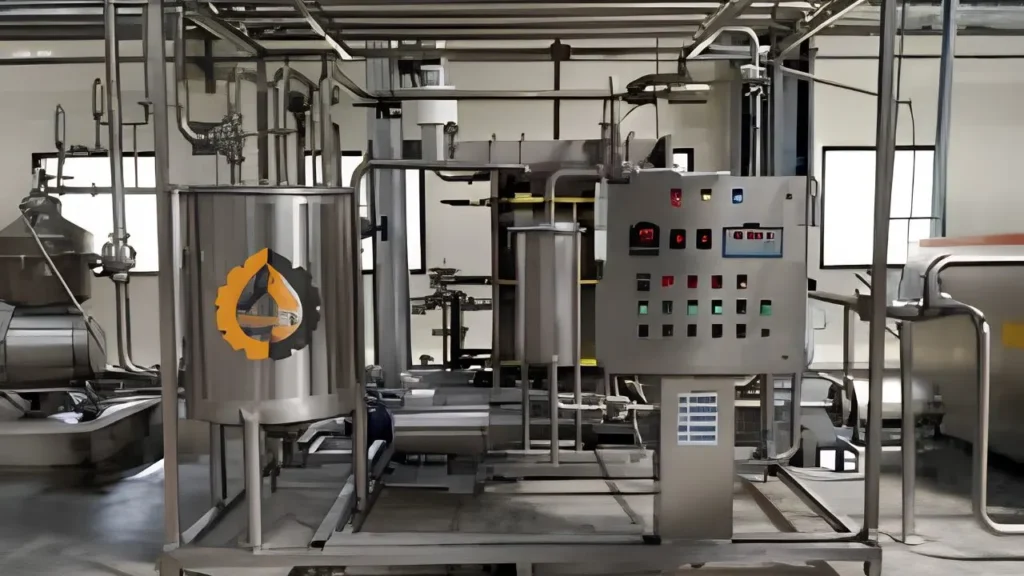
Pranam Ji Engineering Works is a trusted name in the dairy equipment industry, offer advanced solutions that help farmers upgrade their operations with ease. This is where a modern milking machine plays a crucial role, especially for farms that are directly connected to a milk processing plant. The need for efficiency, hygiene, and consistency has become more important than ever. A well-designed milk machine for cows helps farmers manage large herds efficiently while maintaining the quality of milk. It ensures that the milking process is smooth, quick, and comfortable for the animals. Why are modern dairy farms depending on milking machines? A milking machine allows farmers to milk several cows in a shorter time compared to manual methods. This is extremely helpful for those supplying milk to a milk processing plant, where regular and high-quality supply is essential. With the use of a cow milk machine, farmers can maintain a steady flow of milk without delays. This ensures that the milk collected is clean and safe, making it ideal for processing in a milk processing plant. Also Read : Food Preservation: Pasteurization of Raw Milk for Home Consumption How Do Milking Machines Support the Dairy Supply Chain? Improved Milk Collection Efficiency: A milking machine helps farmers collect milk quickly and consistently. With the use of milking machines, large quantities of milk can be handled easily, ensuring a steady supply to the milk processing plant. Better Hygiene and Milk Quality: A modern milk machine for cows reduces human contact, which lowers the risk of contamination. Easy Storage and Transportation: Milk collected through a cow milk machine is easier to store and transport. It stays fresh for longer, making it ideal for smooth delivery to the milk processing plant. Reduced Labor and Time Saving: By using milking machines, farmers save time and reduce dependency on manual labor. This improves overall efficiency and helps meet market demand faster. Strong Farm-to-Plant Connection: Overall, a milking machine creates a reliable link between farms and the milk processing plant, ensuring consistent supply, better quality, and improved productivity. Role of Milking Machines in Improving Dairy Efficiency Faster Milking Process: A milking machine allows farmers to milk multiple cows in less time, increasing daily productivity. This speed helps maintain a consistent supply for a milk processing plant. Consistent Milk Output: With milking machines, the milking process remains uniform, ensuring steady milk flow. A milk machine for cows avoids irregularities that often happen in manual milking. Reduced Labor Dependency: A cow milk machine minimizes the need for manual labor, making farm operations easier and more cost-effective. Farmers can manage larger herds with fewer workers. Better Time Management: By using a milking machine, farmers save valuable time, which can be used for other important tasks like animal care and farm maintenance. Improved Overall Efficiency: Overall, milking machines enhance farm performance by combining speed, consistency, and hygiene, helping farmers efficiently supply milk to a milk processing plant. Why Choose Pranam Ji Engineering Works? Pranam Ji Engineering Works has established itself as a reliable and trusted name in the dairy equipment industry by consistently delivering quality and performance.  We provide a wide range of solutions, including advanced milking machines, durable milk machines for cow systems, and complete setups for a milk processing plant, making them a one-stop destination for dairy entrepreneurs. Choosing Pranam Ji Engineering Works means investing in reliability, efficiency, and growth. With our commitment to excellence and their ability to offer modern dairy solutions, we continue to support farmers and businesses in building a strong connection between dairy farms and the milk processing plant, ensuring long-term success in the dairy sector.

How Milking Machines Support Modern Dairy Farming and Milk Processing Plant Read More »
Food Preservation: Pasteurization of Raw Milk for Home Consumption

Pasteurization

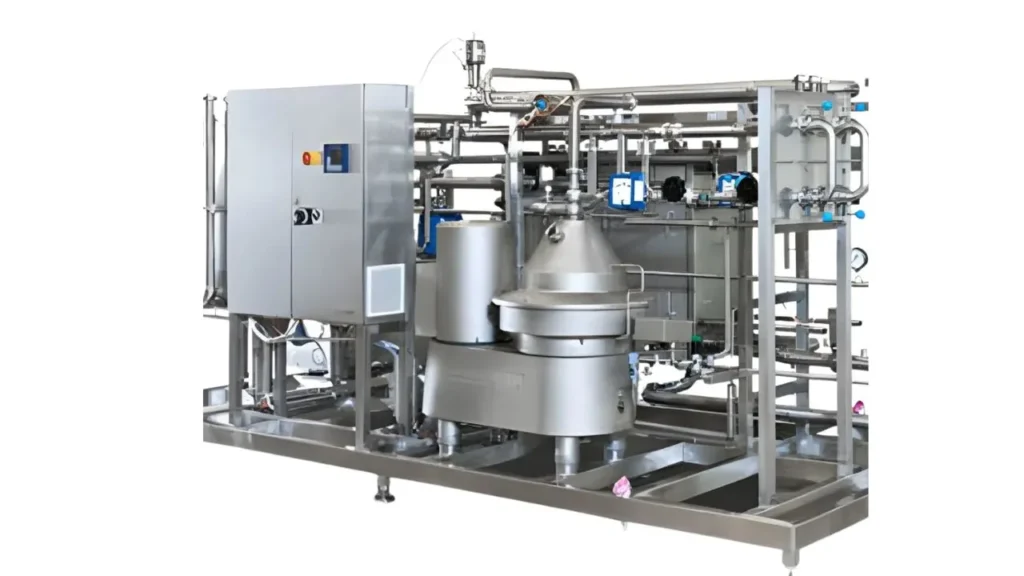
Pranam ji Engineering Works proudly stands as a trusted name in the field of food processing solutions. We offer advanced and reliable equipment designed to ensure safe and hygienic consumption of dairy products. One of the most essential processes for maintaining milk safety is milk pasteurization, especially for households that prefer fresh, raw milk. Understanding how to properly treat raw milk can make a significant difference in health and quality. How to Pasteurize Milk Milk is a highly nutritious liquid, but raw milk may contain harmful bacteria such as E. coli, Salmonella, and Listeria. That’s where milk pasteurization plays a crucial role. It is a simple heat-treatment process that kills harmful microorganisms without significantly affecting the nutritional value. For home use, the low-temperature long-time (LTLT) method is ideal: Heat the milk to 63°C (145°F) Maintain this temperature for 30 minutes Cool the milk immediately to below 5°C (41°F) At Pranam ji Engineering Works, we offer high-quality Milk Pasteurizer machines that simplify this process, making it safer and more efficient for both small-scale and home-based users. Also Read : Comprehensive Guide to the Milk Powder Plant: Steps and Benefits How Do You Pasteurize Milk If you’re wondering how you pasteurize milk effectively without industrial equipment, the process can still be managed at home with proper care. However, consistency and hygiene are key factors. Here’s a simple step-by-step approach: Pour raw milk into a clean stainless steel container. Place it on a stove and heat slowly while stirring. Use a thermometer to monitor the temperature. Once it reaches 63°C, maintain that heat for 30 minutes. Remove from heat and place the container in cold water to cool rapidly. Store the pasteurized milk in a clean, covered container in the refrigerator. This method ensures that harmful bacteria are eliminated while preserving the taste and nutritional benefits of milk. How to Pasteurize Milk at Home While raw milk may seem natural, it carries potential risks if consumed without proper treatment. Home pasteurization is not just about heating milk; it is about doing it correctly. Here are some additional tips: Always use fresh raw milk. Maintain cleanliness in utensils and storage containers. Avoid overheating, as it can alter the taste and nutritional value. Cool the milk quickly to prevent bacterial regrowth. The process of milk pasteurization at home becomes easier and more reliable with the right tools. Pranam ji Engineering Works understands the needs of modern households and small dairy users. We offer user-friendly pasteurization solutions that combine technology with simplicity. Our machines are designed to ensure uniform heating, energy efficiency, and long-lasting performance. Importance of Milk Pasteurization Milk pasteurization is not just a process—it is a necessity for safe consumption. Raw milk can be unpredictable in quality, and even healthy-looking milk can contain harmful bacteria. Here are some key benefits: Eliminates harmful microorganisms Extends shelf life of milk Maintains nutritional value Improves safety for children and elderly With rising awareness about health and hygiene, more households are adopting milk pasteurization practices. Whether done manually or using a Milk Pasteurizer, the goal remains the same—safe and clean milk for daily consumption. Why Choose Pranam ji Engineering Works At Pranam ji Engineering Works, we are committed to delivering excellence in dairy processing solutions. We offer innovative and durable Milk Pasteurizer systems that cater to both home and small-scale commercial needs. We believe that everyone deserves access to safe and hygienic milk. That’s why our solutions are designed to make milk pasteurization simple, effective, and accessible. Pranam ji Engineering Works continues to lead the way by providing advanced pasteurization solutions that meet modern needs. Whether you choose traditional methods or invest in a Milk Pasteurizer, the importance of milk pasteurization cannot be overlooked.

Food Preservation: Pasteurization of Raw Milk for Home Consumption Read More »

Comprehensive Guide to the Milk Powder Plant: Steps and Benefits

Milk Powder Plant

The demand for milk powder has grown rapidly due to its long shelf life, easy transportation, and wide usability in food industries. A modern milk powder plant plays a crucial role in transforming fresh milk into a stable, high-quality powdered form. Pranam Ji Engineering Works provide advanced solutions that help dairy businesses streamline operations and maintain consistent product quality. In this comprehensive guide, we will explore the milk powder making process, understand the process of making milk powder, and highlight the key benefits of investing in a well-designed plant. A milk powder plant is a fully integrated system designed to convert liquid milk into powdered form through a series of controlled steps. The processing of milk powder requires precision, hygiene, and advanced machinery to ensure that the nutritional value of milk is retained. Pranam Ji Engineering Works provide customized milk powder plant solutions tailored to the specific needs of dairy industries, whether small-scale or large-scale operations. Also Read : How to Make Butter with a Butter Churner Machine Steps Involved in the Milk Powder Making Process The milk powder making process involves multiple stages, each playing a vital role in ensuring quality and efficiency. 1. Milk Collection and Storage The process begins with the collection of fresh milk from dairy farms. The milk is then stored in chilled storage tanks to maintain freshness and prevent bacterial growth. 2. Filtration and Clarification In this stage, impurities such as dust, dirt, and other particles are removed. This ensures that only clean and pure milk proceeds to the next stage of the process of making milk powder. 3. Standardization Standardization adjusts the fat and solid content of milk according to the desired type of milk powder (whole, skimmed, or partially skimmed). This step is essential in the processing of milk powder to achieve consistency. 4. Pasteurization Milk is heated to a specific temperature to eliminate harmful bacteria. Pasteurization ensures safety and extends the shelf life of the final product. 5. Evaporation In this stage, a significant portion of water is removed from the milk using evaporators. This concentrates the milk and prepares it for drying. It is a crucial step in the milk powder making process. 6. Spray Drying Spray drying is the core step in the process of making milk powder. The concentrated milk is sprayed into a hot air chamber, where water quickly evaporates, leaving behind fine milk powder particles. 7. Cooling and Packaging The powdered milk is cooled to maintain quality and prevent moisture absorption. It is then packed in airtight containers to ensure long shelf life and easy distribution. Pranam Ji Engineering Works provide advanced machinery for each stage, ensuring efficiency and hygiene throughout the entire system. Key Components of a Milk Powder Plant A modern plant consists of several essential components that work together seamlessly: Milk storage tanks Filtration and clarification units Pasteurizers Evaporators Spray dryers Packaging machines Each component plays a vital role in the smooth processing of milk powder and ensures high-quality output. Benefits of a Milk Powder Plant Investing in a milk powder plant offers numerous advantages for dairy businesses: Extended Shelf Life: Milk powder has a much longer shelf life compared to liquid milk, reducing wastage and improving profitability. Easy Storage and Transportation: Powdered milk is lightweight and easy to store, making transportation more convenient and cost-effective. Versatility: Milk powder is widely used in various industries such as bakery, confectionery, infant food, and beverages. Consistent Quality: With advanced systems from Pranam Ji Engineering Works, businesses can ensure uniform quality in every batch during the milk powder making process. Increased Profitability: Efficient processing of milk powder allows businesses to utilize surplus milk and convert it into a value-added product. Why Choose Pranam Ji Engineering Works?   When it comes to setting up a reliable milk powder plant, choosing the right manufacturer is essential. Pranam Ji Engineering Works offer innovative and high-performance solutions designed to meet industry standards. A milk powder plant is a valuable investment for any dairy business aiming to expand its product range and improve efficiency. From collection to packaging, every step in the milk powder making process is crucial in ensuring high-quality output. By partnering with trusted manufacturers like Pranam Ji Engineering Works, businesses can access reliable technology that helps them offer superior milk powder products to the market. With the right setup and proper understanding of the process of making milk powder, companies can achieve long-term success and sustainability in the dairy industry.    

Comprehensive Guide to the Milk Powder Plant: Steps and Benefits Read More »

Shopping Cart