
Milk Plant Manufacturer

November 2025

Raw milk vs. pasteurized milk: What you need to know for your safety
pasteurized milk

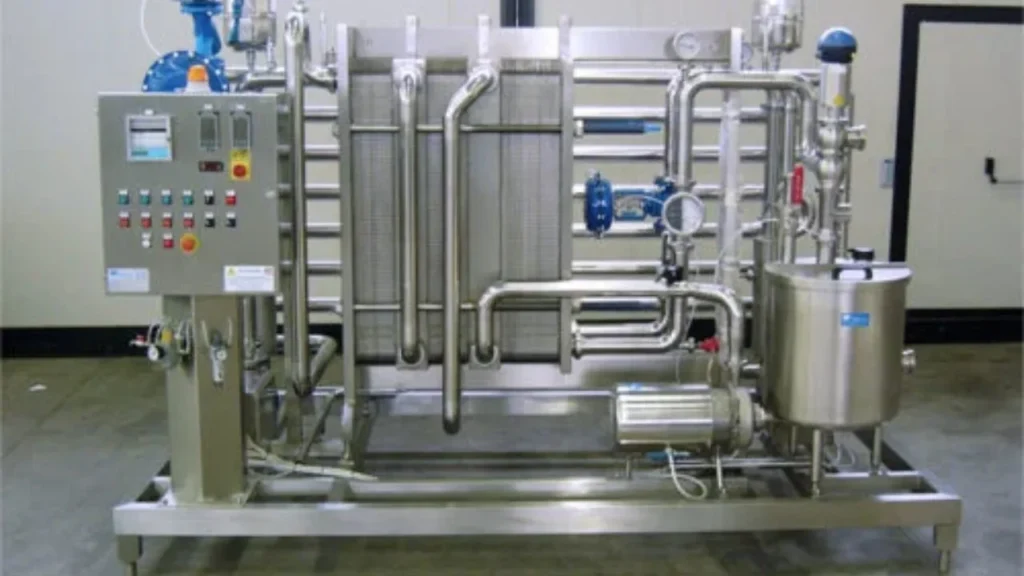
Milk is one of the most consumed beverages across the world, but the discussion around raw milk vs pasteurized milk continues to grow. Many people believe raw milk is healthier, while others focus on safety and trust pasteurized milk. To understand what is truly safe and beneficial for your health, it is important to explore the science behind both forms of milk. At Pranam Ji Engineering Works, we offer advanced Milk Pasteurization machinery and complete solutions for any modern milk processing plant. Our mission is to support dairy businesses in delivering safe, high-quality milk to consumers. Raw Milk and Unpasteurized Milk Raw milk, also called unpasteurized milk, is milk that has not undergone any heat treatment to kill harmful bacteria. Advocates of raw milk often highlight its taste and freshness, while promoting raw milk nutrition facts like natural enzymes, vitamins, and probiotics. However, because raw milk comes directly from animals without treatment, it may contain dangerous microorganisms such as E. coli, Listeria, and Salmonella. These pathogens can cause severe illness, especially in children, pregnant women, and older adults. Pasteurized milk, on the other hand, is heated to a specific temperature for a controlled time duration to eliminate harmful bacteria. This process helps increase shelf life, improve safety, and maintain milk quality. The purpose is not to remove nutrients but to protect consumers from infections caused by contaminated milk. Is Raw Milk Good for You? Raw milk does contain natural nutrients, enzymes, and probiotics that support gut health. These raw milk nutrition facts seem appealing, but scientific research shows that the risks often outweigh the benefits. Here’s why: 1. High Risk of Bacterial Contamination: Raw milk can be contaminated during milking, storage, or transportation. Even a clean-looking cow can carry harmful bacteria. 2. Unsafe for Vulnerable Groups: Pregnant women, infants, elderly people, and those with weak immune systems are at greater risk of serious infections. 3. Health Claims Are Not Strongly Proven: Many health benefits promoted by raw milk supporters lack strong scientific evidence. While raw milk may have certain natural components, consuming it without treatment can lead to foodborne diseases. For this reason, global health organizations recommend pasteurization as the safest option. Is Pasteurized Milk Bad for You? Pasteurization was introduced to make milk safer without removing its essential nutrients. There is a myth that heating milk destroys vitamins and enzymes, but the truth is different. Here’s what research says: 1. Pasteurized milk retains almost all nutrients: Only a very small percentage of vitamins may be reduced, but the main nutrients like calcium, protein, and minerals remain intact. 2. It prevents dangerous diseases: Pasteurization kills harmful bacteria that can cause fever, diarrhea, and life-threatening infections. 3. It extends shelf life: Treated milk stays fresh longer, reducing wastage for both consumers and dairy industries. Pasteurization is a scientifically tested and globally accepted process that protects public health. It ensures safe milk consumption without significant nutritional loss. Raw Milk vs Pasteurized Milk: Key Differences To understand the debate clearly, here is a quick comparison of raw milk vs pasteurized milk: 1. Safety Raw milk: High risk of contamination Pasteurized milk: Safe and treated for bacteria removal 2. Nutrition Raw milk: Rich in natural enzymes and probiotics Pasteurized milk: Slight nutrient reduction but still highly nutritious 3. Shelf Life Raw milk: Spoils quickly Pasteurized milk: Long shelf life 4. Taste Raw milk: More natural flavor Pasteurized milk: Mild and consistent taste 5. Health Risks Raw milk: May cause serious infections Pasteurized milk: No infection risks when handled properly Also Read : Innovative Dairy Processing Plant Design and Layout Difference Between Raw Milk vs Pasteurized Milk Point of Difference Raw Milk (Unpasteurized Milk) Pasteurized Milk Safety Level High risk of harmful bacteria like E. coli, Listeria, and Salmonella. Safe for consumption due to heat treatment that kills harmful bacteria. Nutrient Content Contains natural enzymes and probiotics; nutrients are in their raw form. Slight nutrient loss but retains essential proteins, calcium, and minerals. Shelf Life Spoils quickly and requires immediate refrigeration. Longer shelf life due to removal of harmful microorganisms. Taste & Freshness Strong natural flavor and creamy texture. Mild, consistent, and standardized taste. Health Risks Can cause foodborne illnesses, especially in children, pregnant women, and elderly. Very low risk of infection when handled properly. How Pranam Ji Engineering Works Ensures Milk Safety When it comes to dairy processing, safety and quality are critical. At Pranam Ji Engineering Works, we offer world-class milk pasteurization systems, storage tanks, and milk processing machinery. Our equipment is designed to maintain hygiene, improve milk quality, and reduce operational costs for dairy businesses. By using advanced technology, we help farmers and dairy operators deliver safe, bacteria-free, and nutrient-rich milk to consumers. Our solutions ensure: Accurate temperature control Efficient pasteurization Low maintenance systems Reliable and long-lasting performance We proudly support dairy industries with equipment that enhances productivity and guarantees consumer safety. Pranam Ji Engineering Works believes that when it comes to choosing between raw milk and pasteurized milk, your safety should always come first. Raw milk may look natural, but it carries harmful bacteria that can cause serious illness. Pasteurized milk is much safer because the heating process removes dangerous germs while still keeping the important nutrients. By choosing pasteurized milk, you protect yourself and your family from unwanted health risks. With modern Milk Pasteurization systems and reliable technology, every milk processing plant can deliver clean, safe, and healthy milk.  

Raw milk vs. pasteurized milk: What you need to know for your safety Read More »
Innovative Dairy Processing Plant Design and Layout

Dairy Processing Plant

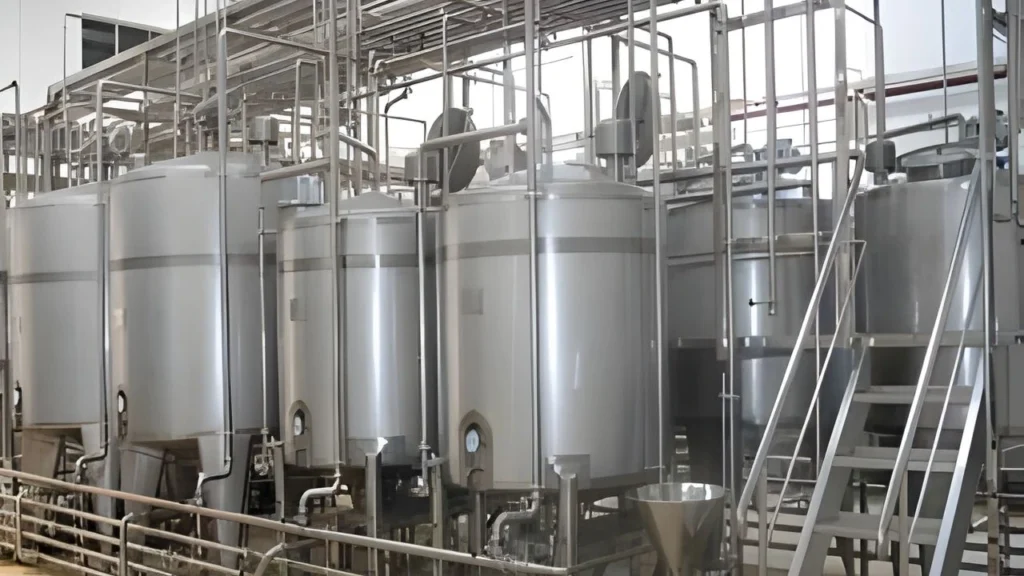
Pranam Ji Engineering Works is committed to transforming the dairy industry by delivering advanced engineering solutions that enhance productivity, hygiene, and operational flow. As experts in modern plant development, we offer advanced systems that support streamlined milk handling, processing, and distribution. One of the most important aspects of dairy infrastructure is the Innovative Dairy Processing Plant Design and Layout, which directly controls plant efficiency, product quality, and long-term operational success. Our engineers work closely with plant owners to understand the nature of their business so we can provide customized layouts that suit their exact requirements. Stages Considered in Dairy Processing Plant Layout A highly functional layout of milk processing plant carefully integrates all major operations. At Pranam Ji Engineering Works, we design layouts that include: Milk Reception Area: This area handles milk collection, weighing, quality testing, and filtration. Its strategic placement ensures that raw milk instantly enters the processing line. Chilling & Storage Section: To maintain freshness, raw milk must be chilled quickly. Our layout places chilling vats and storage tanks close to the reception zone to reduce handling time. Pasteurization & Homogenization: These processes require energy-efficient machinery and hygienic surroundings. We position these units centrally to connect easily with upstream and downstream processes. Packaging Area: A clean, sterile environment is essential for packaging milk, curd, butter, paneer, and other products. We ensure that the packaging area remains contamination-free and easy to sanitize. Utility & Support Rooms: Steam boilers, refrigeration units, compressors, and water treatment plants are placed strategically to power operations without obstructing workflow. Finished Goods Storage: The storage room is placed near dispatch zones to ensure quick loading and efficient distribution. Also Read : Importance of chilling at source to preserve milk quality Principles of Innovative Dairy Plant Designing Creating an efficient and future-ready layout of dairy plant is not just about placing machines; it is about crafting a workflow that minimizes contamination, improves safety, and enhances productivity. Here are the main principles we follow: Smooth Product Flow: From raw milk intake to finished product storage, every step should naturally lead to the next. Our designs eliminate unnecessary crossovers and ensure a hygienic product movement path. Hygienic Separation Zones: Dairy plants require strict separation between clean and unclean areas. We divide the plant into dedicated zones to prevent microbial contamination. This includes raw milk sections, processing rooms, sterile packing areas, and storage sections. Efficient Space Utilization: Whether the plant is small, medium, or large, efficient use of space is essential. Our innovative layouts ensure that every square foot contributes to a productive process. Worker-Friendly Environment: Operators spend hours inside the plant, so it is vital to create a comfortable and safe working environment. We include ergonomic placements, safe equipment access, and well-ventilated sections. Scope for Expansion: Dairy industries grow quickly. That’s why our milk processing plant provides flexibility for future upgrades like adding new processing lines, automation equipment, or storage tanks. Benefits of an Innovative Dairy Plant Layout Choosing a professionally designed milk processing plant layout brings several advantages: Improved product quality due to reduced contamination Higher efficiency with streamlined product flow Lower operational costs because of reduced movement and energy usage Better space management for small and large units Enhanced worker safety and comfort Compliance with food safety standards Greater production capacity with planned expansion options Pranam Ji Engineering Works ensures that every layout we offer meets both industrial and regulatory standards. An innovative dairy processing plant design and layout is essential for creating a safe, efficient, and profitable dairy operation. Pranam Ji Engineering Works continues to lead the industry by delivering thoughtful, practical, and future-oriented plant layouts built to individual business needs. Our commitment to quality, efficiency, and human-centric design ensures that your dairy plant operates at its best every single day. If you want a smart, scalable, and hygienic layout of milk processing plant, Pranam Ji Engineering Works are here to provide the most reliable solutions.  

Innovative Dairy Processing Plant Design and Layout Read More »

Importance of chilling at source to preserve milk quality

Chilling

Pranam Ji Engineering Works is a trusted name in dairy equipment manufacturing, and understands this critical need. We provide Milk Chilling Plants and milk chilling solutions that help farmers and dairy cooperatives preserve milk quality from the very first stage. We ensure that milk remains fresh, safe, and ready for further processing. We maintain its freshness, flavor, and nutritional value largely depending on chilling of milk immediately after milking. What is Chilled Milk? Chilled milk refers to fresh milk that has been rapidly cooled to a temperature below 4°C (typically between 2°C and 4°C) immediately after milking. This process slows down bacterial growth and enzymatic activity, effectively extending the milk’s shelf life. The faster the milk is cooled, the better its quality and taste. When milk is kept at ambient temperatures—especially in warm climates—bacteria can double every 20 minutes, causing quick deterioration. By chilling milk right at the collection source, this microbial growth is minimized, ensuring that the milk maintains its natural composition, flavor, and freshness until it reaches processing units or consumers. Why Chilling of Milk is Important at the Source The chilling of milk at the source—typically done at village collection points or milk chilling centers—plays a major role in maintaining the integrity of the dairy supply chain. Here’s why it matters so much: Prevents Bacterial Growth: Milk is an excellent medium for bacterial growth. Cooling it quickly to below 4°C stops harmful bacteria from multiplying and keeps the milk safe for consumption. Preserves Nutritional Quality: Fresh milk contains essential nutrients like proteins, calcium, vitamins, and enzymes. Immediate milk chilling prevents nutrient breakdown, keeping the milk wholesome and healthy. Maintains Taste and Freshness: Delayed chilling can cause souring, off-flavors, and undesirable odors. Chilling the milk immediately helps retain its natural taste and aroma. Reduces Spoilage Losses: Milk chilling centers reduce such losses by maintaining optimal conditions for storage and transport. Supports Efficient Processing: When milk reaches processing units at the right temperature, pasteurization and packaging become more efficient, reducing energy costs and improving final product quality. The Role of Milk Chilling Centers A milk chilling center acts as the first line of defense in the dairy value chain. It is where milk from various farmers is collected, cooled, and stored before being transported to processing plants. At a milk chilling center, fresh milk is received, tested for quality, and quickly cooled using a Milk Chilling Plant. Pranam Ji Engineering Works offers complete milk chilling center solutions—from the design and installation of Milk Chilling Plants to maintenance and technical support. Our systems are designed to handle large volumes efficiently while ensuring minimal energy consumption and operational cost. Also Read : Steam Boiler in Dairy Industry : Its Use and Important Factors in Milk Industry Components of a Milk Chilling Plant A Milk Chilling Plant typically includes: Bulk Milk Cooler (BMC): Used to rapidly chill milk to 4°C or lower. Refrigeration Unit: Maintains the cooling temperature continuously. Agitator: Keeps milk uniformly mixed to prevent cream separation. Control Panel: Monitors temperature and operational efficiency. CIP System (Cleaning-In-Place): Ensures hygiene and easy cleaning. Pranam Ji Engineering Works designs each Milk Chilling Plant with advanced refrigeration technology and durable components, ensuring reliable performance even in challenging field conditions. The chilling of milk at the source is a cornerstone of modern dairy operations. It prevents spoilage, maintains nutritional value, and ensures the highest quality for consumers. Without effective milk chilling, even the best raw milk can lose its value within hours. Pranam Ji Engineering Works recognizes the importance of this process and continues to offer Milk Chilling Plants and milk chilling center solutions that empower dairy farmers and cooperatives. Our technology-driven approach ensures that every drop of milk retains its purity, taste, and nutritional goodness from farm to factory.  

Importance of chilling at source to preserve milk quality Read More »

Shopping Cart