
Milk Plant Manufacturer

October 2025

Steam Boiler in Dairy Industry : Its Use and Important Factors in Milk Industry
Steam Boiler

One of the most crucial components that supports these goals is the steam boiler. It acts as the backbone of every milk processing plant, ensuring that the heating, pasteurization, and sterilization processes are carried out smoothly and effectively. At Pranam Ji Engineering Works, we offer highly efficient and durable steam boilers designed specifically to meet the rigidity requirements of the dairy processing plant sector. Importance of Steam Boilers in the Dairy Industry The uses of steam in the dairy industry are diverse and essential. From heating milk to maintaining sterilized conditions, steam is the nature of every milk plant operation. Without an efficient steam boiler, it would be impossible to achieve the required temperature control, sanitation, and product quality that modern dairy production demands. Steam is used in various stages, such as pasteurization, evaporation, drying, and cleaning. Each process requires precise control over temperature and pressure, which only a well-designed steam boiler can provide. Uses of Steam Boilers in the Milk Industry The uses of steam boilers in dairy operations are integral to maintaining product quality and operational safety. Below are some of the main applications of steam in the milk plant: Milk Pasteurization – One of the primary uses of steam is in pasteurization, where milk is heated to a specific temperature to kill harmful bacteria while retaining essential nutrients. Steam ensures that the heating process is uniform and quick, avoiding any loss in taste or quality. Sterilization of Equipment – Hygiene is critical in dairy processing. Steam is used to sterilize equipment, pipes, and tanks, preventing contamination and ensuring that the milk remains safe for consumption. Heating and Cleaning – The uses of boilers extend to generating hot water and steam for cleaning pipelines and processing vessels. This ensures that the milk processing plant stays compliant with safety and hygiene standards. How Does It Work A steam boiler converts water into steam through controlled heating. Fuel such as gas, diesel, or electricity heats the water, creating pressurized steam. This steam is then circulated through pipelines to various processing sections in the milk plant for heating and sterilization tasks. Modern steam boilers by Pranam Ji Engineering Works come with automation systems that control pressure and temperature, ensuring safety and energy efficiency. These boilers offer consistent steam output, minimal maintenance, and eco-friendly performance ideal for the dairy processing plant. Also Read : Advantages of BMC (Bulk Milk Cooler) Process in Dairy Farming Important Factors in Selecting a Steam Boiler for the Dairy Industry When selecting a steam boiler for a milk plant, several important factors should be considered to ensure long-term efficiency and reliability: Fuel Efficiency – Energy cost is one of the biggest expenses in dairy operations. Choosing a fuel-efficient steam boiler reduces operating costs and increases profitability. Steam Quality – The quality of steam directly impacts product consistency. Dry, saturated steam ensures effective pasteurization and sterilization. Automation and Control Systems – Modern steam boilers come with automated systems that control pressure, temperature, and fuel input, reducing the need for manual supervision. Maintenance and Durability – A durable design with easy maintenance access ensures long service life and minimal downtime. Pranam Ji Engineering Works focuses on robust construction and quality components to provide reliable performance. Safety Features – Pressure and temperature safety valves, automatic cut-offs, and alarms are essential for safe operation. Our steam boilers are designed with all necessary safety mechanisms to protect both equipment and personnel. In every milk processing plant, the steam boiler is an essential component that ensures seamless operations. The uses of steam measure across heating, cleaning, and sterilizing, contributing directly to product quality and plant efficiency. Pranam Ji Engineering Works is proud to offer higher steam boilers built for the dairy sector. Our advanced technology ensures reliability, energy savings, and consistent steam supply, making us a trusted partner for every dairy processing plant and milk plant looking to enhance their productivity and product standards.

Steam Boiler in Dairy Industry : Its Use and Important Factors in Milk Industry Read More »
Advantages of BMC (Bulk Milk Cooler) Process in Dairy Farming

Bulk Milk Cooler

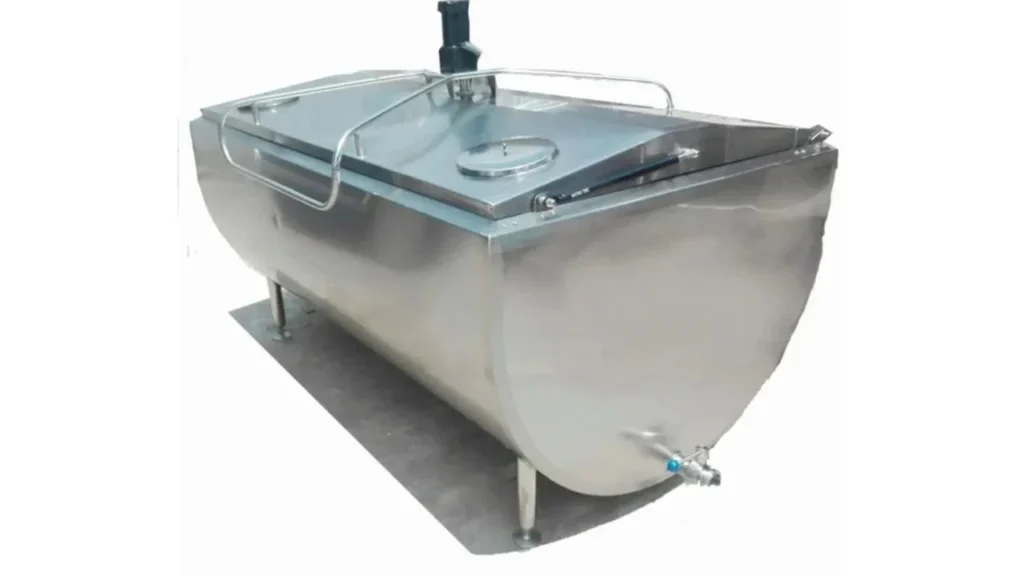
In the modern dairy industry, maintaining the freshness and quality of milk from the point of collection to processing is crucial. As milk is highly perishable, it begins to spoil quickly if not stored at the right temperature. This is where the BMC (Bulk Milk Chilling) process or Bulk Milk Cooler plays a vital role. The bmc machine full form stands for Bulk Milk Chilling Machine, and it has become an essential part of every dairy farm’s infrastructure. Pranam Ji Engineering Work is one of the trusted manufacturers that offer advanced milk chilling systems designed to preserve milk quality, enhance productivity, and support dairy farmers in achieving consistent profits. What is BMC ( Bulk Chilling Machine) ? The bmc full form in dairy is Bulk Milk Cooler or Bulk Milk Chilling Machine. It is a specially designed system that rapidly cools fresh milk to a temperature below 4°C soon after milking. This quick cooling process prevents bacterial growth, ensuring that milk remains safe and fresh for longer durations. By installing a milk bmc system, dairy farmers can protect their produce, reduce spoilage, and maintain high hygiene standards. How Does the BMC Process Work? The BMC machine works by collecting freshly drawn milk from cows and immediately chilling it in a stainless-steel tank equipped with a cooling system. There are mainly two types of BMC systems: Direct Expansion (DX) BMC – where milk is cooled by direct contact with the evaporator surface. Indirect or Water-Cooled BMC – where a chilled water or glycol solution is used for indirect cooling. Pranam Ji Engineering Work offers both types of BMCs, each customized according to the scale and needs of the dairy farm. Also Read : Dairy processing: considerations for a competitive industry Advantages of the BMC (Bulk Chilling Machine) Process The milk bmc system provides a wide range of benefits to dairy farmers, milk cooperatives, and processors. Here are some of the major advantages: Maintains Milk Quality and Freshness: The most significant benefit of the BMC process is that it preserves the natural taste, texture, and nutritional value of milk. By bringing the temperature down to below 4°C, it slows bacterial growth and prevents spoilage. Reduces Bacterial Contamination: Without quick cooling, bacteria multiply rapidly in milk. The BMC machine prevents this by providing a cold environment that stops microbial activity. This leads to improved milk quality and ensures compliance with food safety standards. Improves Shelf Life and Reduces Wastage: One of the biggest challenges in dairy farming is minimizing milk spoilage during collection and transportation. A milk bmc system helps extend the shelf life of raw milk, allowing more time for safe transportation to processing units. Enhances Efficiency in Milk Collection Centers: By using Bulk Milk Chilling Machines, milk collection centers can handle larger quantities efficiently. The automated cooling and agitation features ensure uniform chilling and prevent cream separation. Ensures Fair Payment to Farmers: Quality-based milk collection has become a standard practice in the dairy industry. Since the BMC process maintains milk purity and freshness, farmers receive fair prices for their milk based on its quality. This builds trust and encourages farmers to adopt better dairy practices. Environmentally Friendly and Energy Efficient: Modern BMC machines are designed with eco-friendly refrigerants and energy-efficient compressors. Pranam Ji Engineering Work is a trusted name in the dairy equipment manufacturing industry. Our company specializes in designing and developing high-performance Bulk Milk Chilling Machines that cater to the needs of dairy farmers and milk processors alike. We offer BMC units in various capacities from 500 liters to 10,000 liters ensuring that both small and large dairies can benefit from modern milk chilling solutions. Each unit is crafted with high-grade stainless steel, efficient refrigeration systems, and advanced temperature control mechanisms. Pranam Ji Engineering Work continues to offer world-class milk bmc solutions that empower dairy farmers, enhance milk safety, and promote sustainable dairy practices. By adopting advanced BMC systems, farmers can ensure that every drop of milk they produce meets the highest standards of quality and freshness making dairy farming more efficient, profitable, and future-ready.

Advantages of BMC (Bulk Milk Cooler) Process in Dairy Farming Read More »

Dairy processing: considerations for a competitive industry

Dairy Processing

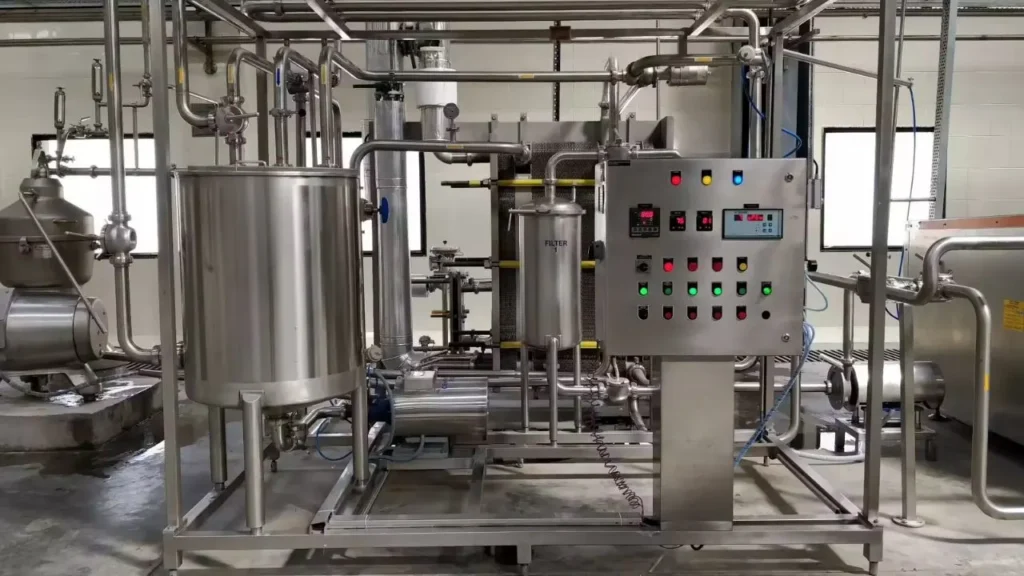
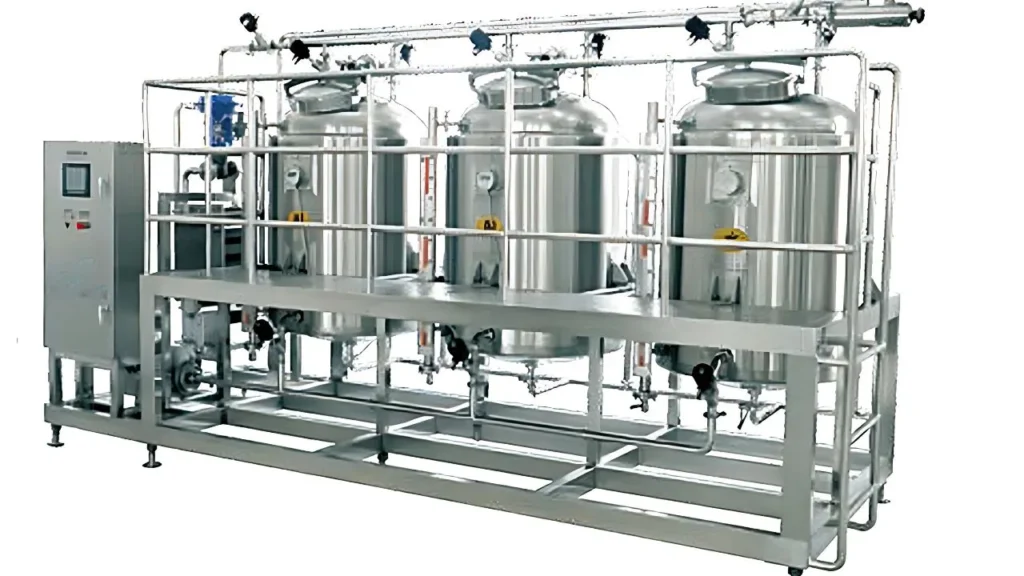
Pranam Ji Engineering Works is a trusted name in the field, we design and set up efficient Dairy processing plant facilities. We provide advanced technologies and milk processing plant solutions play a key role in ensuring efficiency and competitiveness. From fresh milk to cheese, butter, yogurt, and other processed dairy products, the demand is always rising. However, for the industry to remain competitive, careful attention must be given to every stage of milk processing. The Role of Dairy Processing Plants A Dairy Processing plant is about machines and tanks; Well-designed plants like those built by Pranam Ji Engineering Works ensure hygiene, energy efficiency, and automation, all of which are necessary to remain competitive. Milk Processing Plant Efficiency: Modern plants are designed to maximize output while minimizing waste and energy consumption. Hygiene Standards: Automation and stainless-steel equipment help in reducing contamination risks. Flexibility: Plants must adapt to producing a wide range of processed dairy products to meet consumer demands. Sustainability: Recycling water, using renewable energy, and reducing carbon footprints are now essential aspects of dairy operations. Pranam Ji Engineering Works continues to offer cutting-edge solutions for milk processing plants, ensuring that every dairy processor has access to technology that matches both current and future market requirements. How is Milk Processed Step by Step The journey of milk from the farm to your glass or packaged product involves a series of scientific yet carefully controlled steps. Let’s explore how processing milk works step by step: Collection and Transportation: Fresh milk is collected from dairy farms and transported to the Dairy Processing plant in specially designed tankers. The temperature is controlled to keep the milk fresh and safe during transit. Quality Testing: Once milk arrives at the milk processing plant, it undergoes attentive quality testing. This ensures that it meets required standards for safety, taste, and nutrition. Clarification and Separation: The raw milk is clarified to remove impurities. After this, separation is performed to divide cream from skim milk, depending on the type of product to be made. Standardization: At this stage, the fat content of milk is adjusted to meet the requirements of different processed dairy products like whole milk, toned milk, or skimmed milk. Pasteurization: Pasteurization is a critical step where milk is heated to a specific temperature to kill harmful microorganisms without affecting its nutritional value. Homogenization: This process breaks down fat globules so that cream does not separate from milk, giving it a uniform texture. Cooling and Storage: The milk is quickly cooled and stored in hygienic tanks until it is further processed or packaged. Packaging: Depending on the requirement, milk is packaged in bottles, cartons, or pouches before distribution. Also Read : Milk Processing Equipment for Small Scale Dairy Farm Key Considerations for a Competitive Dairy Industry To succeed in today’s fast-changing dairy sector, businesses must look beyond traditional practices. Here are some essential considerations: Product Quality: High-quality milk is the foundation of all processed dairy products. From sourcing to packaging, every step must focus on safety and nutritional value. Technology and Automation: Automated systems in milk processing plants help streamline production, reduce costs, and improve efficiency. Innovation in Products: Consumers today look for more than just milk. A dairy processor must diversify into cheese, yogurt, flavored milk, and health-oriented products. Sustainability: Eco-friendly practices are no longer optional. Energy-efficient machinery, waste management, and water recycling are vital. Compliance and Regulations: Dairy businesses must comply with food safety and health regulations to ensure consumer trust. After-Sales Support: Pranam Ji Engineering Works not only build processing units but also provide ongoing support and maintenance to keep operations running smoothly. Why Choose Pranam Ji Engineering Works? Pranam Ji Engineering Works has emerged as a trusted partner for dairy businesses. Our team specializes in designing and installing Dairy Processing plants that meet standards of efficiency and hygiene. We provide customized plant layouts based on client requirements. Their solutions are built to handle everything from processing milk to packaging final products. Our company emphasizes sustainability, helping businesses lower their operational costs while reducing environmental impact. The dairy industry has evolved into a highly competitive sector where efficiency, quality, and sustainability are the keys to success. Pranam Ji Engineering Works ensure that dairy businesses can stay ahead of the curve by delivering solutions that offer long-term value. Whether it’s about setting up a new Dairy Processing plant or upgrading an existing one, their expertise ensures smooth operations for every dairy processor.  

Dairy processing: considerations for a competitive industry Read More »

Understanding the Different Types of Milk Storage Tanks and Their Functions

Milk Storage Tanks

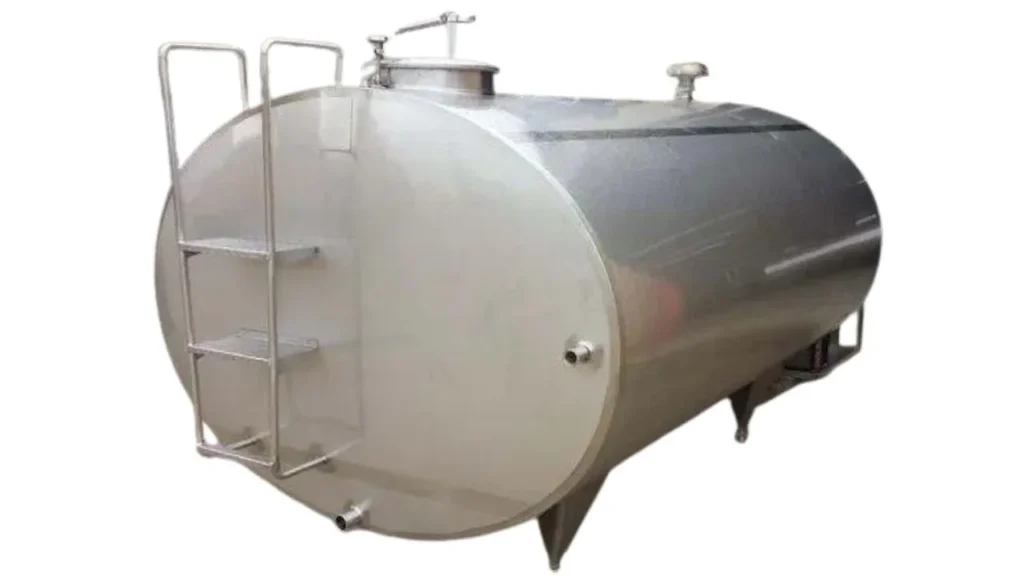
Milk is one of the most important agricultural products, consumed in every household and processed into countless dairy items such as butter, cheese, yogurt, and ghee. But before milk reaches the consumer, it must be handled, stored, and transported with extreme care to preserve its freshness and quality. This is where milk storage tanks play a vital role. At Pranam ji Engineering Works, we specialize in dairy machinery and equipment that ensures safe, hygienic, and efficient handling of milk. We not only manufacture high-quality equipment but also offer complete solutions to farmers, cooperatives, and dairy industries for every stage of milk processing and transport. Importance of Milk Tanks in the Dairy Industry Milk is a perishable product, and maintaining its quality from the farm to the consumer is a challenge. Proper storage and transportation equipment ensure that milk stays fresh, free from contamination, and safe for consumption. A milk tank provides hygienic storage at the farm or dairy plant. A dairy milk tanker ensures safe and temperature-controlled transportation from farms to processing plants. Specialized tanks help in milk chilling, pasteurization, and long-term storage. Different Types of Milk Tanks and Their Functions Milk Storage Tanks: These tanks are used at dairy plants or farms to store fresh milk before processing. Function: Keep milk safe and fresh until it is used for further processing like pasteurization or packaging.  Milk Cooling Tanks (Bulk Milk Coolers): Milk needs to be cooled immediately after milking to around 4°C to slow bacterial growth. Milk cooling tanks or bulk milk coolers are designed for this purpose. Function: Maintain the quality of milk by quick chilling and preserving freshness for long hours. Milk Transportation Tanks (Milk Tankers): A milk tanker or dairy milk tanker is essential for transporting milk from collection centers or farms to dairy plants. These are insulated and often have refrigeration systems to keep milk at the right temperature during transit. Function: Ensure milk reaches the dairy in a hygienic and fresh state, even over long distances. Pasteurization Tanks: These specialized milk tanks are designed to heat milk to a specific temperature and then cool it down rapidly. Function: Kill harmful bacteria while retaining nutritional value, making milk safe for consumption. Milk Mixing and Processing Tanks: In large dairy plants, milk tanks are also used to mix and process milk before bottling. Function: Ensure uniform quality and consistency in packaged milk and milk-based products. Also Read : Milk Processing Equipment for Small Scale Dairy Farm Features of a Milk Tank When selecting a milk tank or milk tanker, there are certain important features to consider: Hygienic design with stainless steel construction to prevent contamination. Insulation to maintain required temperature during storage and transport. Easy cleaning system to ensure high levels of hygiene. Durability for long-term use in farms and dairies. Customizable capacity to suit small-scale farmers as well as large industries. At Pranam ji Engineering Works, we understand that dairy businesses need reliable equipment that matches their scale of operations. Whether you are a farmer, a dairy cooperative, or a processing plant, we offer a wide range of solutions for milk handling. Our offerings include: Stainless steel milk storage tanks. Bulk milk coolers for immediate chilling. Modern dairy milk tankers designed for hygienic transportation. Pasteurization and processing tanks for safe milk handling. Custom-built equipment based on capacity and requirement. Every product is manufactured with high-quality materials, easy-to-clean designs, and advanced technology to meet international standards. The role of milk tanks and dairy milk tankers in the dairy industry cannot be overstated. From storage and cooling to transportation and processing, each type of tank has a unique function in protecting the quality of milk. Pranam ji Engineering Works is a name you can trust. We not only manufacture world-class dairy machinery but also offer customized solutions that ensure your milk handling is safe, efficient, and sustainable.

Understanding the Different Types of Milk Storage Tanks and Their Functions Read More »

Milk Processing Equipment for Small Scale Dairy Farm

Milk Processing Equipment

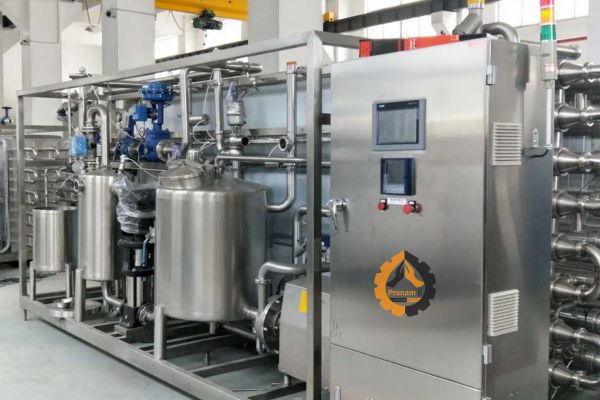
For small-scale dairy farmers, the choice of the right milk processing equipment can make the difference. It not only ensures better hygiene and quality but also allows them to meet consumer demand efficiently. This is where Pranam Ji Engineering Works plays a crucial role. Our company continues to provide reliable, durable, and affordable solutions for farmers and entrepreneurs who want to grow their dairy businesses. Importance of Milk Processing in Small-Scale Dairy Farms Milk is highly perishable, and without proper processing, it can lose freshness and nutritional value within a few hours. A small-scale farmer who supplies milk to local markets or cooperatives must ensure that the product meets hygiene and safety standards. This is only possible with a well-designed milk processing plant. The process generally involves steps like pasteurization, homogenization, separation, chilling, and finally, packaging. By using modern milk processing machines, farmers can extend the shelf life of milk, reduce wastage, and ensure consistency in taste and quality. Benefits of Milk Processing Equipment Improved Quality – Processed milk is cleaner, safer, and more nutritious. Reduced Wastage – Proper chilling and storage reduce milk spoilage. Increased Profits – Value-added products like paneer, flavored milk, and ghee bring in higher returns. Market Expansion – With hygienic packaging from milk bottling equipment, farmers can supply directly to urban markets. Compliance – Meets food safety and regulatory standards, opening doors for larger contracts. Also Read : The Ultimate Guide to Setting Up Your Own Mini Dairy Plant Essential Milk Processing Equipment A small-scale dairy farm does not necessarily need large industrial plants, but it does require a compact yet efficient setup. Some essential equipment includes:  Milk Processing Plant: For small farms, these plants are available in capacities ranging from 200 liters per day to 2000 liters per day. Pranam Ji Engineering Works specializes in designing plants that are simple to operate, energy-efficient, and easy to maintain. Milk Processing Machine: A milk processing machine performs functions like pasteurization and homogenization. It ensures that the milk is free from harmful bacteria while retaining nutrients. Pranam Ji Engineering Works provides user-friendly machines that even small farmers with limited technical knowledge can operate efficiently.  Milk Processor: A milk processor is the heart of the system that takes care of heating, cooling, and processing milk for safe consumption. Compact in size but powerful in performance, these processors help in maintaining hygiene standards while reducing manual effort.  Milk Bottling Equipment: For small farms that wish to supply directly to consumers, milk bottling equipment is a must-have. It automates the filling, sealing, and labeling of milk bottles, ensuring a professional finish and improved shelf appeal. Dairy Machinery: Apart from the above, a small-scale setup also needs auxiliary dairy machinery like milk chillers, cream separators, paneer-making machines, and homogenizers. Pranam Ji Engineering Works stands out as a trusted partner, continuing to offer and provide advanced, affordable, and durable solutions for dairy businesses. By investing in their reliable milk processing machines, small-scale farms can reduce wastage, increase profits, and build consumer trust. If you are planning to start or expand your dairy unit, choosing the right milk processing equipment from Pranam Ji Engineering Works is the key to long-term success.  

Milk Processing Equipment for Small Scale Dairy Farm Read More »

Shopping Cart